Overview
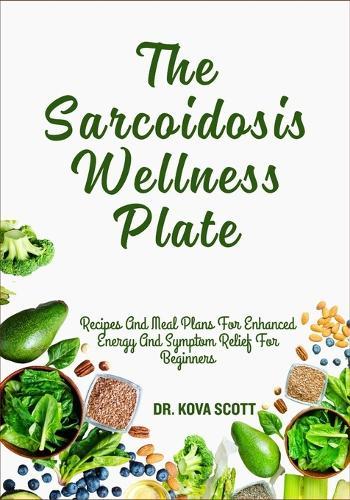
Diet plays a significant role in regulating inflammation and supporting immune function in the body. The foods you eat can either help reduce inflammation and support a healthy immune system or contribute to chronic inflammation, which can impair immune function and increase the risk of various diseases, including sarcoidosis and other inflammatory conditions. Here's an overview of how diet affects inflammation and immune function: 1. Anti-Inflammatory Foods: Certain foods are known for their anti-inflammatory properties, meaning they help reduce the inflammatory response in the body. These foods often contain compounds that influence immune function by modulating cytokine production, reducing oxidative stress, and improving immune system balance. Key Anti-Inflammatory Foods: - Fruits and Vegetables: Rich in vitamins, minerals, and antioxidants, fruits and vegetables are key components of an anti-inflammatory diet. For example, berries (such as blueberries, strawberries, and raspberries) are high in flavonoids and vitamin C, both of which help reduce inflammation. Leafy greens like spinach, kale, and arugula are rich in antioxidants like vitamin E and beta-carotene. - Omega-3 Fatty Acids: Found in foods such as fatty fish (e.g., salmon, mackerel, sardines), flaxseeds, and walnuts, omega-3 fatty acids have powerful anti-inflammatory effects. They help reduce the production of pro-inflammatory cytokines, which are molecules that drive inflammation. 2. Foods That Support Immune Function: In addition to reducing inflammation, certain foods support overall immune function by providing the nutrients required for immune cells to function optimally. Key Immune-Boosting Foods: - Vitamin C-Rich Foods: Vitamin C is essential for the proper functioning of the immune system. It helps stimulate the production of white blood cells, which fight infections. Citrus fruits (oranges, lemons), kiwi, red bell peppers, and broccoli are all excellent sources of vitamin C. - Vitamin D: Adequate levels of vitamin D are essential for immune system regulation, as it helps modulate the immune response and reduce the risk of infections. Foods like fatty fish, fortified dairy products, and egg yolks are good sources of vitamin D. Additionally, getting enough sunlight helps the body produce vitamin D naturally. 3. Pro-Inflammatory Foods to Avoid: Certain foods can increase inflammation in the body, contributing to chronic inflammatory conditions and impairing immune function. These foods typically promote the production of pro-inflammatory cytokines and disrupt normal immune system regulation. Key Pro-Inflammatory Foods: - Refined Sugars and High-Glycemic Carbs: Diets high in refined sugars and processed carbohydrates (e.g., white bread, pastries, and sugary drinks) can cause blood sugar spikes, leading to increased inflammation. These foods promote the production of advanced glycation end products (AGEs), which are compounds that promote inflammation. - Trans Fats and Saturated Fats: Trans fats (found in processed foods like baked goods and fried snacks) and saturated fats (found in red meat, full-fat dairy products, and some processed foods) can activate inflammatory pathways in the body. They also increase the levels of C-reactive protein (CRP), a marker of inflammation. An anti-inflammatory diet can be especially beneficial in managing conditions like sarcoidosis, where inflammation and immune dysfunction are central to the disease's development and progression.
Full Product Details
Author: Dr Kova Scott
Publisher: Independently Published
Imprint: Independently Published
Dimensions:
Width: 17.80cm
, Height: 1.10cm
, Length: 25.40cm
Weight: 0.367kg
ISBN: 9798281543538
Pages: 206
Publication Date: 26 April 2025
Audience:
General/trade
,
General
Format: Paperback
Publisher's Status: Active
Availability: Available To Order

We have confirmation that this item is in stock with the supplier. It will be ordered in for you and dispatched immediately.