Overview
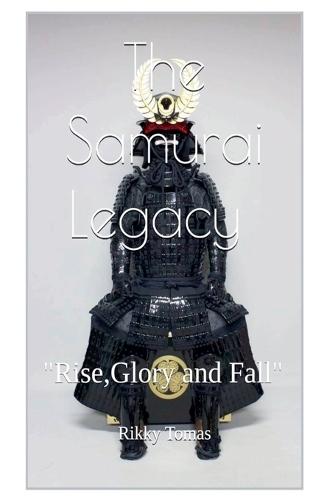
A full Comprehensive History of the Samurai Rise:: Emergence of Warrior Elites (Heian Period, 794-1185) Samurai originated from provincial warrior clans in Japan's Heian period. As central imperial authority weakened, wealthy landowners (daimyo) raised private armies to protect their estates from bandits and rival clans. These warriors, called bushi, developed skills in mounted combat and swordsmanship. Glory: Eras of Samurai Dominance Kamakura Shogunate (1192-1333) - Samurai became the ruling class, with the shogun as their leader and the emperor as a symbolic figurehead. - The warrior code bushido (way of the warrior) began to take shape, emphasizing loyalty, honor, courage, and self-discipline. - They defended Japan from Mongol invasions in 1274 and 1281, using tactics like kamikaze (divine winds) to repel the fleets. Muromachi Shogunate (1336-1573) - The capital shifted to Kyoto, and samurai clans gained more autonomy. - This era saw cultural flourishing-samurai practiced tea ceremony, calligraphy, and ink painting as part of their education. - However, power struggles led to the Onin War (1467-1477), triggering the chaotic Sengoku Jidai (Warring States Period). Sengoku Jidai & Unification (1467-1603) - Find out how the three Shoguns tunified Japan: Oda Nobunaga, Toyotomi Hideyoshi, and Tokugawa Ieyasu. The decisive Battle of Sekigahara (1600) solidified Tokugawa power. How they lived: - Social Status: They were the highest caste in the Edo period hierarchy (above farmers, artisans, and merchants), though many were poor and relied on stipends from daimyo. - Bushido: Guided their actions-failure to uphold honor could lead to seppuku (ritual suicide). - Training: From childhood, they learned swordsmanship, archery, horseback riding, and literary arts. The 250-Year Rule: The Tokugawa shogunate brought long-term peace, but this stability sowed the seeds of samurai decline: - Isolation: Japan closed its borders to foreign trade (except for limited contact with China and the Netherlands), stifling economic and technological progress. - Economic Stagnation: Samurai relied on fixed rice stipends, which lost value as commerce grew. Many fell into debt to merchants, eroding their social standing. - Military Obsolescence: With no wars for centuries, samurai combat skills became outdated. Meanwhile, Western powers were advancing with modern weapons. End of Samurai Rule: Meiji Restoration (1868) - Foreign Pressure: Commodore Matthew Perry's arrival in 1853 forced Japan to open its ports, exposing weaknesses in the shogunate. - Rebellion: Young samurai from southern clans (e.g., Satsuma and Choshu) opposed the shogunate, advocating for modernization and restoring imperial power. - Abolition: The Meiji Emperor was restored to power, and the samurai class was dissolved
Full Product Details
Author: Rikky Tomas
Publisher: Rikky Tomas
Imprint: Rikky Tomas
Dimensions:
Width: 14.00cm
, Height: 3.40cm
, Length: 21.60cm
Weight: 0.767kg
ISBN: 9798224043644
Pages: 672
Publication Date: 03 February 2026
Audience:
General/trade
,
General
Format: Paperback
Publisher's Status: Active
Availability: Available To Order

We have confirmation that this item is in stock with the supplier. It will be ordered in for you and dispatched immediately.
Author Information
Rikky Tomas is a military history enthusiast with a passion for exploring the rich tapestry of the past, particularly drawn to the captivating world of the samurai. His fascination with Japanese history was ignited during his trips to Japan, where he was captivated by the samurai's intricate armor, awe-inspiring weapons, and the echoes of their legacy in historical castles and sites. His travels deepened his appreciation for Japanese culture and traditions, inspiring him to delve deeper into this fascinating realm. Combining his expertise as a Technical Support Specialist Subject Matter Expert and his keen eye as a photographer, [Your Name] has dedicated himself to bringing historical narratives to life. ""Samurai Legacy"" marks his debut as an author, showcasing his dedication to sharing captivating stories of the samurai's enduring legacy.