|
|
|||
|
||||
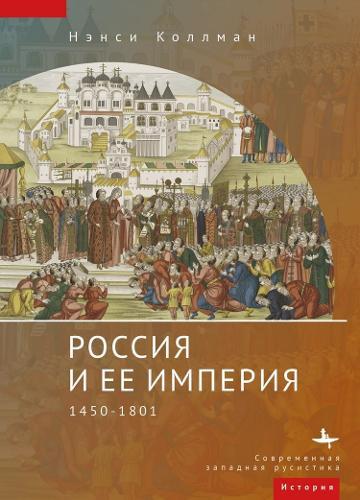
OverviewThe Russian Empire 1450-1801 surveys early modern Russia as an ""empire of difference,"" that is, the government ruled the empire primarily by tolerating the great cultural, linguistic and religious diversity of its subject peoples. Over its many lands the Moscow center used a combination of coercion, cooptation and supranational ideology to maintain power, and the book explores each of those themes. The Moscow government did not hesitate to use violence and oppression to conquer and subdue territories; it coopted elites into the imperial nobility and local administrations; it projected an image of a benevolent tsar who protected his people and used architecture and ceremony to project that unifying ideology. Full Product DetailsAuthor: Nancy S. Kollmann , Vladimir PetrovPublisher: Academic Studies Press Imprint: Academic Studies Press ISBN: 9798897837199Pages: 786 Publication Date: 05 March 2026 Audience: General/trade , General Format: Paperback Publisher's Status: Active Availability: Not yet available This item is yet to be released. You can pre-order this item and we will dispatch it to you upon its release. Table of ContentsReviewsAuthor InformationNancy Shields Kollmann teaches history at Stanford University; she has published three monographs on the political system and the practice of the criminal law in Muscovy, as well as essays on its visual culture. She has recently completed a book on images of Russia in early modern European print culture. Tab Content 6Author Website:Countries AvailableAll regions |
||||