|
|
|||
|
||||
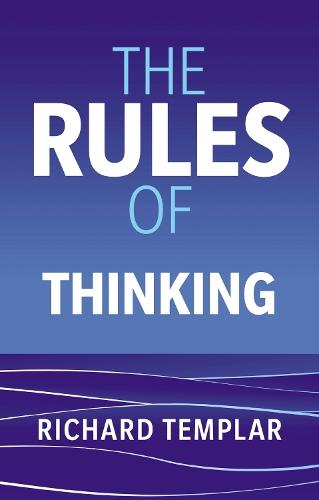
OverviewOur thoughts can often feel messy and unclear. This can lead to poor decisions, delays in getting things done and a feeling of being overwhelmed. Clear thinking is a skill that everyone can learn. It can help in building a better life. The book shares a set of simple rules to help you think in a smarter, wiser and happier way. Make wiser decisions and learn the right time to compromise. Learn to think well with others and set your ego aside. Stop procrastinating and obsessing about things you cannot change. Keep your brain active and grow your creative thinking. Build strong thinking habits that help you deal with life’s challenges. The Rules of Thinking is a practical guide that helps you improve your mindset and ways of thinking. These guiding principles show you how to think for yourself, solve problems and make better decisions. The book explores strong and healthy ways of thinking. It covers organised, creative and critical thinking. The book encourages calm thinking to help stay balanced and clear in thoughts. After reading this book, you will have the tools that help you think more clearly and effectively. You will become someone who understands their own mind in every way. This book is for anyone who wants to be happier and more successful in their life and work. Full Product DetailsAuthor: Richard TemplarPublisher: Pearson Education Limited Imprint: Pearson Business Edition: 3rd edition ISBN: 9781292498881ISBN 10: 1292498889 Pages: 272 Publication Date: 22 May 2026 Audience: Professional and scholarly , General/trade , Professional & Vocational , General Format: Paperback Publisher's Status: Forthcoming Availability: Not yet available This item is yet to be released. You can pre-order this item and we will dispatch it to you upon its release. Table of ContentsThink for yourself 1 Avoid echo chambers 2 Don’t be scared 3 Consider the motive 4 Beware self-interest 5 Keep hold of your heartstrings 6 Don’t be gullible Resilient thinking 7 Know who you are 8 Seek out support 9 Take control 10 Be flexible 11 Be self-aware 12 It is what it is 13 Don’t get over-distracted 14 Like yourself 15 Be ready to cope 16 Better out than in 17 Cut yourself some slack Healthy thinking 18 Think yourself happy 19 Focus on other people 20 Be in the present 21 Stress is optional 22 Normality isn’t normal 23 Evaluate your emotions 24 Laugh at yourself 25 Keep learning 26 No one likes to be incompetent 27 Practice makes progress 28 Turn off the action replays 29 Sidestep bad habits 30 Appreciate semantics 31 Keep the bar steady 32 Look for the spin Organised thinking 33 Believe in being organised 34 Learn to love a list 35 Think outside your head 36 Don’t overload your RAM 37 Make deadlines your friend 38 Don’t indulge in decision-making 39 Get creatively organised Thinking creatively 40 Train your brain 41 Feed your mind 42 Get in the mood 43 Open up 44 There are no rules 45 Spot the box 46 Think like someone else 47 Make connections 48 Make mistakes 49 Forget about other people Problem solving 50 Clear your emotions out of the way 51 Make sure there’s really a problem 52 Check you’re solving the right problem 53 Loosen up 54 Don’t settle for your first answer 55 If it’s plausible, it’s worthwhile 56 Find a way in 57 Don’t get bogged down 58 Try a new angle 59 Don’t panic 60 Get help Thinking together 61 You’re better together 62 Play to everyone’s strengths 63 Think like a hive 64 Leave your ego behind 65 Keep an eye on the quiet ones 66 Question groupthink 67 Conflict is OK 68 Think up a storm 69 Have stupid ideas 70 Keep in synch Making decisions 71 Decide what you’re deciding 72 Don’t start at square two 73 Set yourself boundaries 74 Untangle the knots first 75 Go for Goldilocks 76 Vet your advisors 77 Be your own advisor 78 Don’t jump to conclusions 79 Understand your emotions 80 Balance logic and emotion 81 Learn to compromise 82 Find option C 83 Assess the cost of a bad decision 84 Regret is a waste of energy 85 Be honest about procrastinating Critical thinking 86 Read John Donne 87 Don’t be played for a fool 88 Stand back and take in the view 89 Look for what comes next 90 Don’t bother your pretty little head 91 Consider the odds 92 Facts are neutral 93 Don’t trust statistics 94 Understand cause and effect 95 If you can’t prove it’s true, that doesn’t mean it isn’t 96 Don’t believe it just because everyone else does 97 Don’t believe it just because you want to 98 Be devil’s advocate 99 Don’t go into lockdown 100 Opinions aren’t facts The Rules of Calm 1 Get a sense of perspective 2 Visualise the best-case scenario 3 Look back on yourself 4 Catch yourself catastrophising 5 Don’t flap 6 Have a Plan B 7 Mind your vocab 8 Choose your friends carefully 9 Be your own friend 10 Stop fighting Had Enough Yet. . . ? It’s not all about you Get them emotionally involved No one has to be like youReviewsAuthor InformationRichard Templar is the international bestselling author of The Rules series, known for turning everyday insights into simple, actionable principles. With his calm and clear style, Templar makes complex ideas about thinking and personal development easy to understand and apply. He translates his observations into guiding principles that help readers think smarter, wiser and happier. Tab Content 6Author Website:Countries AvailableAll regions |
||||