|
|
|||
|
||||
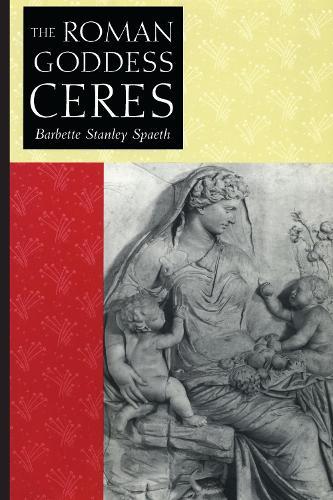
OverviewInterest in goddess worship is growing in contemporary society, as women seek models for feminine spirituality and wholeness. New cults are developing around ancient goddesses from many cultures, although their modern adherents often envision and interpret the goddesses very differently than their original worshippers did. In this thematic study of the Roman goddess Ceres, Barbette Spaeth explores the rich complexity of meanings and functions that grew up around the goddess from the prehistoric period to the Late Roman Empire. In particular, she examines two major concepts, fertility and liminality, and two social categories, the plebs and women, which were inextricably linked with Ceres in the Roman mind. Spaeth then analyzes an image of the goddess in a relief of the Ara Pacis, an important state monument of the Augustan period, showing how it incorporates all these varied roles and associations of Ceres. This interpretation represents a new contribution to art history. With its use of literary, epigraphical, numismatic, artistic, and archaeological evidence, The Roman Goddess Ceres presents a more encompassing view of the goddess than was previously available. It will be important reading for all students of Classics, as well as for a general audience interested in New Age, feminist, or pagan spirituality. Full Product DetailsAuthor: Barbette Stanley SpaethPublisher: University of Texas Press Imprint: University of Texas Press Dimensions: Width: 15.20cm , Height: 1.70cm , Length: 22.90cm Weight: 0.454kg ISBN: 9780292776937ISBN 10: 0292776934 Pages: 308 Publication Date: 01 December 1995 Audience: Professional and scholarly , Professional & Vocational Format: Paperback Publisher's Status: Active Availability: In Print This item will be ordered in for you from one of our suppliers. Upon receipt, we will promptly dispatch it out to you. For in store availability, please contact us. Table of ContentsPrefaceAcknowledgmentsChapter 1. Historical Overview1.1 Ancient Italy1.2 Regal Rome1.3 The Early Republic1.4 The Middle Republic1.5 The Late Republic1.6 The Augustan Period1.7 The Early Roman Empire1.8 The Late Empire and AfterwardChapter 2. Fertility2.1 Introduction2.2 Agricultural Fertility2.3 Human Fertility2.4 Ceres and Fertility in Roman Imperial Political Symbolism2.5 ConclusionChapter 3. Liminality3.1 Introduction3.2 Rites of Passage3.3 Rites of Intensification3.4 Ceres and the Death of Tiberius Gracchus3.5 ConclusionChapter 4. The Plebs4.1 Introduction 4.2 The Temple of Ceres, Liber, and Libera4.3 Plebeian Magistrates and Ceres4.4 Ceres and Plebeian Social Consciousness4.5 Ceres, the Plebs, and Political Propaganda4.6 ConclusionChapter 5. Women5.1 Introduction 5.2 The Cult of Ceres and Proserpina5.3 Female Virtues5.4 Ceres and Women of the Imperial Family5.5 ConclusionChapter 6. Ceres in the Ara Pacis Augustue6.1 Introduction6.2 The Central Figure of the Ara Pacis Relief6.3 The Side Figures of the Ara Pacis Relief6.4 The Ceres Panel and the Relief Program of the Ara Pacis 6.5 Ceres and the Political Message of the Ara Pacis6.6 ConclusionAppendix 1. Original Text of Translated PassagesAppendix 2. Women of the Imperial Family Identified with CeresNotesReferencesGeneral IndexIndex of Passages CitedReviewsAuthor InformationBarbette Stanley Spaeth is Associate Professor of Classical Studies at Tulane University in New Orleans. Tab Content 6Author Website:Countries AvailableAll regions |
||||