|
|
|||
|
||||
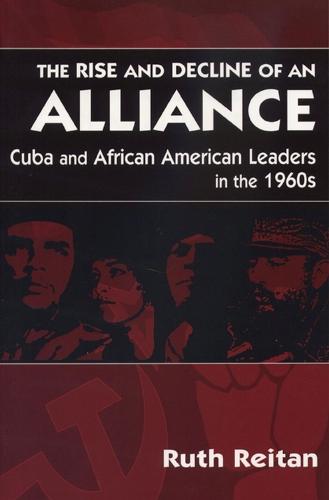
OverviewIn the 1960s, a critical fracture developed in the American Civil Rights movement creating, in the process, a new group of Black nationalists. This new militant wing of the movement believed it had found a natural ally in Fidel Castro's Cuban revolutionary regime and forged a close relationship with its leaders. Reitan argues that the parameters that governed the relationship between the Cuban government and increasingly radicalized African-American activists in the 1960s were largely determined by the ideological conflicts between the revolutionary views of Che Guevara and more conservative pro-Moscow views. Full Product DetailsAuthor: Ruth ReitanPublisher: Michigan State University Press Imprint: Michigan State University Press Dimensions: Width: 15.20cm , Height: 1.00cm , Length: 22.90cm Weight: 0.286kg ISBN: 9780870134982ISBN 10: 0870134981 Pages: 155 Publication Date: 28 February 1999 Audience: College/higher education , General/trade , Undergraduate , General Format: Paperback Publisher's Status: Active Availability: Awaiting stock The supplier is currently out of stock of this item. It will be ordered for you and placed on backorder. Once it does come back in stock, we will ship it out for you. Table of ContentsReviewsAuthor InformationRuth Reitan is Assistant Professor of International Studies at the University of Miami, Coral Gables, Florida. Tab Content 6Author Website:Countries AvailableAll regions |
||||