Overview
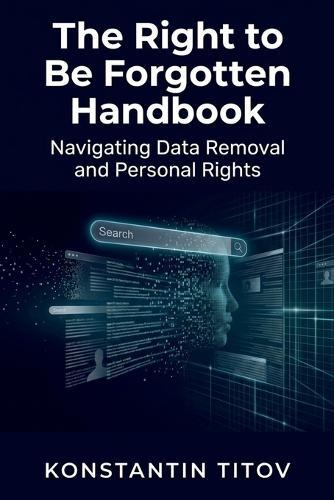
A single search result can quietly redefine a person's reputation. A job interview turns silent. A business relationship cools. A decade-old article appears at the top of a search page and suddenly the past feels permanent. In the digital age, identity is increasingly shaped by what appears when someone types a name into a search engine. Old news stories, outdated legal records, forum discussions, and fragments of information can continue circulating long after the events they describe have lost their relevance. The Right to Be Forgotten Handbook explains how modern privacy law attempts to address this challenge. This book explores the legal, social, and technological forces behind the growing global debate about digital memory and reputation. It examines how search engines organize information, why online content can become disproportionately influential over time, and how legal systems attempt to balance privacy rights with freedom of expression and public interest. Rather than promising unrealistic solutions or ""instant deletion,"" this handbook provides a thoughtful and realistic examination of how data removal frameworks actually work. Inside the book you will learn: - How search engines shape digital identity and reputation - Why online information can become outdated, misleading, or disproportionate over time - The legal principles behind the Right to Be Forgotten - How privacy law balances personal rights with public interest - When data removal requests may succeed-and when they may fail - How courts and regulators evaluate claims involving digital reputation - The role of search engines, platforms, publishers, and data brokers in shaping online visibility - Practical considerations for individuals navigating online reputation issues The book explores key legal frameworks including the UK GDPR, the Data Protection Act, and landmark court decisions that define how personal data may be processed and displayed in search results. Through clear explanations and real-world scenarios, the reader gains a deeper understanding of how digital memory operates and why the question of ""forgetting"" has become one of the most complex legal debates of the internet age. This is not a guide to hiding the past. It is a guide to understanding how the modern information ecosystem works-and how law attempts to maintain fairness within it. Written in a calm, analytical style, The Right to Be Forgotten Handbook serves as an accessible introduction to the legal and ethical challenges surrounding privacy, identity, and digital reputation. For professionals, researchers, journalists, and individuals seeking to better understand how online information shapes personal identity, this book provides a clear and thoughtful exploration of one of the defining legal issues of the digital era.
Full Product Details
Author: Konstantin Titov
Publisher: Independently Published
Imprint: Independently Published
Volume: 1
Dimensions:
Width: 15.20cm
, Height: 0.90cm
, Length: 22.90cm
Weight: 0.240kg
ISBN: 9798251613919
Pages: 174
Publication Date: 11 March 2026
Audience:
General/trade
,
General
Format: Paperback
Publisher's Status: Active
Availability: Available To Order

We have confirmation that this item is in stock with the supplier. It will be ordered in for you and dispatched immediately.