Overview
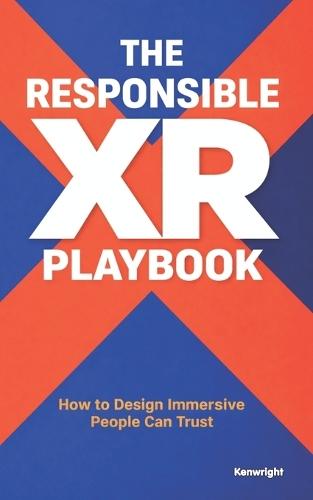
Imagine sitting down with a friend who cares about where all this technology is actually taking us. You've heard the hype-XR is going to change everything, immerse us in new worlds, feel impossibly real. And you've heard the alarms-addiction, surveillance, losing touch with what's human. Both sides feel true. And that's exactly why we need to stop and think, together, before this stuff just becomes... normal. Here's the thing: this isn't another book that slaps an ethics sticker on after explaining the cool tech. And it's not here to scare you into believing every headset is a trap. It's something steadier. An honest conversation about what happens when technology becomes powerful enough to shape not just what we see, but how we feel, how we treat each other, and whether we even notice when a line gets crossed. Some problems are obvious-like tripping over furniture. But what about walking away from an experience feeling drained, unsettled, like something shifted and you can't name it? What about kids or patients or employees who can't easily step back because the pressure to stay is built into the design? Those invisible effects matter more, because they become normal before we ever learn to ask: wait, should this feel okay? Here's what the book gets into: The harm we don't see - emotional residue, sensory overload, manipulation hiding inside seamless design Identity and the self - how immersive systems reshape confidence, boundaries, even how we see our own bodies The people who need protecting most - kids, teens, vulnerable users, workers who can't just opt out Practical tools - what teams actually need to build things that are worthy of trust, not just impressive And here's the bigger truth: XR is just one example of where tech is heading. More and more, the systems around us are becoming intimate, adaptive, woven into daily life. So this book isn't only about immersive technology. It's about what kind of people we become when the tools we build are powerful enough to quietly reshape ordinary life. You won't find one rigid argument here. The goal isn't to sell you on a single conclusion. It's to make the important questions impossible to ignore. If there's one hope worth holding onto, it's this: XR can still become something genuinely good. The path forward isn't fear, and it isn't blind hype. It's being more demanding about what counts as good design, responsible adoption, and innovation we can actually trust. A field this powerful shouldn't settle for being impressive. It should aim to be humane. So here's the invitation: Read slowly. Question generously. Hold the promise in one hand and the cost in the other. Whenever something feels exciting, ask what it's quietly asking from you in return. Whenever the future feels like it's arriving fast, ask what kind of human life it's making easier, harder, richer, or thinner. The questions aren't going anywhere. And neither, honestly, is this technology. The only real question is whether we'll ask enough of it-and of ourselves-before it becomes simply the way things are.
Full Product Details
Author: Kenwright
Publisher: Independently Published
Imprint: Independently Published
Dimensions:
Width: 12.70cm
, Height: 1.30cm
, Length: 20.30cm
Weight: 0.236kg
ISBN: 9798252151649
Pages: 236
Publication Date: 15 March 2026
Audience:
General/trade
,
General
Format: Paperback
Publisher's Status: Active
Availability: Available To Order

We have confirmation that this item is in stock with the supplier. It will be ordered in for you and dispatched immediately.