|
|
|||
|
||||
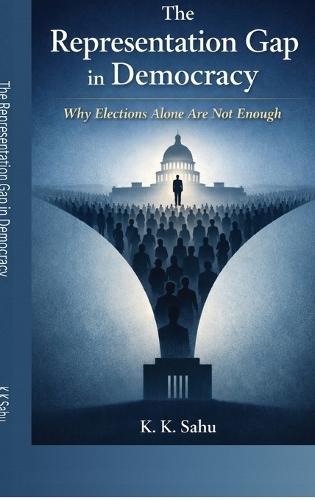
OverviewDemocracy rests on elections. Citizens vote, governments are formed, and authority is constitutionally established. But does participation alone guarantee representation? The Representation Gap in Democracy examines the distance between votes cast and voices heard. Drawing on an analysis of the Bihar Assembly Election 2025, the book explores how electoral systems-particularly the first-past-the-post model-convert plural public preference into concentrated legislative power. Through empirical data and vote-seat comparisons, the study shows how democratic participation narrows into singular representation. While constitutionally valid, the system may leave substantial voter preference without institutional presence. Rather than offering ideological critique, the book proposes a structural refinement: Double Representation. This concept seeks to acknowledge both governing mandate and minority voice within existing democratic frameworks, inviting reconsideration of how electoral design can better align participation with representation. Blending data-driven analysis with philosophical reflection, the work moves beyond commentary toward institutional inquiry. It asks whether democratic systems can become more representationally inclusive. Timely and reform-oriented, The Representation Gap in Democracy is for scholars, policymakers, students of political science, and thoughtful citizens concerned with representative governance. Full Product DetailsAuthor: K K SahuPublisher: Notion Press Imprint: Notion Press Dimensions: Width: 15.20cm , Height: 1.00cm , Length: 22.90cm Weight: 0.290kg ISBN: 9798903427994Pages: 86 Publication Date: 06 March 2026 Audience: General/trade , General Format: Hardback Publisher's Status: Active Availability: Available To Order We have confirmation that this item is in stock with the supplier. It will be ordered in for you and dispatched immediately. Table of ContentsReviewsAuthor InformationTab Content 6Author Website:Countries AvailableAll regions |
||||