|
|
|||
|
||||
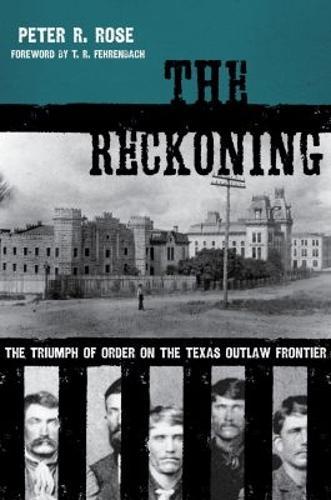
OverviewIn 1873, opportunistic Anglo-Celtic cattlemen and homesteaders, protected by little other than personal firearms and their own bravado, began settling the stream-laced rangelands east of the plateau. An insidious criminal element soon followed: a familybased tribal confederation of frontier outlaws took root in the canyonlands around the forks of the Llano River, in unorganized and lawless Kimble County. Sometimes disguised as Indians, they preyed on neighbors, northbound trail herds, and stockmen in adjacent counties. They robbed stagecoaches repeatedly. They traded in border markets alongside Mexican Indian raiders, and may have participated in the brutal Dowdy massacre of 1878. Outnumbering and intimidating law-abiding settlers, this criminal confederation took over the nascent Kimble County government in 1876. Only dogged persistence by Texas Rangers, with increasing support from citizens and local law officers, would stem the tide. Full Product DetailsAuthor: Peter R. Rose , T.R. FehrenbachPublisher: Texas A & M University Press Imprint: Texas A & M University Press Dimensions: Width: 15.50cm , Height: 1.40cm , Length: 23.30cm Weight: 0.525kg ISBN: 9781682830260ISBN 10: 1682830268 Pages: 248 Publication Date: 01 September 2019 Audience: Professional and scholarly , Professional & Vocational Format: Paperback Publisher's Status: Active Availability: Manufactured on demand We will order this item for you from a manufactured on demand supplier. Table of ContentsReviewsPete Rose is a fine interpreter of our American past. . . . [drawing] from geology, history, ethnography, sociology, and environmental science to help us understand how the land and those who inhabited it influenced each other. -Scott Zesch, author of The Captured: A True Story of Abduction by Indians on the Texas Frontier Author InformationPeter R. Rose is a fifth-generation Texan and a geologist with more than fifty years of professional experience. The author of the definitive monograph on the Edwards Plateau of West Texas, he is descended from nineteenth-century settlers in Kimble County, where his family maintains ranching operations to the present day. Tab Content 6Author Website:Countries AvailableAll regions |
||||