Overview
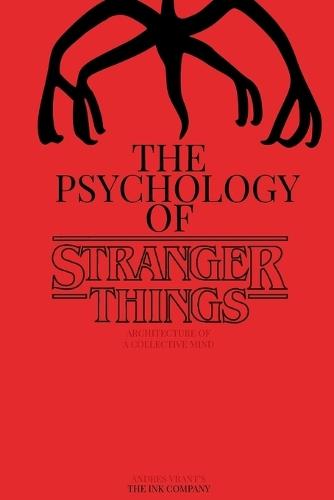
Stranger Things has never been just a series about monsters, portals, or nostalgia. It is a psychological landscape. Psychology of Stranger Things explores the series as a carefully engineered emotional system-one that operates on fear, memory, attachment, and collective trauma. Rather than retelling the plot or cataloging references, this book examines why Stranger Things feels so familiar, why its horror feels intimate, and why its characters live inside us long after the screen goes dark. Each chapter dissects a different layer of the series' psychological architecture. Hawkins and the Upside Down are analyzed as a conscious-unconscious duality, where unprocessed trauma refuses to stay buried. The book reveals how mystery functions as cognitive attachment rather than narrative absence, and how 1980s nostalgia operates as emotional anesthesia-allowing audiences to tolerate fear while feeling safe inside it. The structure of the show is examined as emotional engineering. Episodes are designed around deferred threats and sustained anticipation rather than shock. Seasons are treated as long-form emotional arcs, each organized around a dominant psychological theme: loss, belonging, identity, guilt, and internalized pain. As the series progresses, horror moves inward-mirroring the emotional maturation of its audience. Characters are not analyzed as biographies, but as psychological functions. Eleven embodies power shaped by trauma and attachment. Will represents the body that never fully returns from fear. Hopper carries unresolved grief masked as authority. Max survives through emotional silence. Villains evolve from primal fear to internalized judgment, culminating in a figure that weaponizes guilt itself. Evil, in Stranger Things, does not simply attack-it interprets pain. The book also turns its attention to the audience. Why do adults connect so deeply with a story centered on children? How does nostalgia activate emotional regulation rather than simple remembrance? Why does the series feel like a form of symbolic re-parenting? Drawing from cognitive, social, and cultural psychology, the analysis shows how Stranger Things actively shapes emotional experience, not just entertainment. Written in a rigorous yet accessible tone, Psychology of Stranger Things bridges narrative analysis, psychology, and cultural reflection. It avoids clinical jargon while maintaining intellectual depth, making it suitable for readers interested in storytelling, media psychology, and contemporary culture. This is not a companion guide. It is not a fan recap. It is an exploration of why fear feels familiar, why horror feels like home, and why some stories refuse to let us go.
Full Product Details
Author: Andres Felipe Velasquez Henao ,
Andres Vrant
Publisher: Independently Published
Imprint: Independently Published
Dimensions:
Width: 15.20cm
, Height: 0.90cm
, Length: 22.90cm
Weight: 0.213kg
ISBN: 9798246072806
Pages: 152
Publication Date: 29 January 2026
Audience:
General/trade
,
General
Format: Paperback
Publisher's Status: Active
Availability: Available To Order

We have confirmation that this item is in stock with the supplier. It will be ordered in for you and dispatched immediately.