Overview
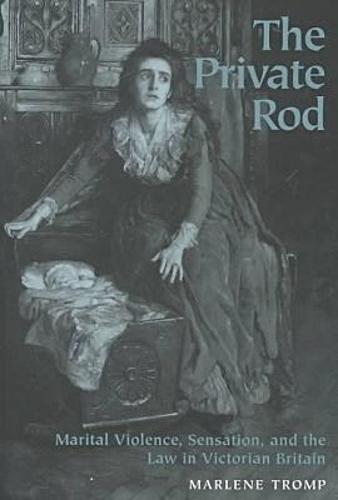
Sensation novels, a genre characterized by scandalous narratives, and emotionally and socially provocative dialogue and plots, had their heyday in England in the 1860s and 1870s, in the midst of growing concern about codes of behaviour in marriage. Largely excluded from the academic canon of the late 20th century, sensation novels had an impact on Victorian culture that we have only recently begun to evaluate. Exploring the central metaphor of marital violence in these novels, Marlene Tromp uncovers the relationship between the representations of such violence in fiction and in the law. Her investigation demonstates that sensational constructions of gender, marriage, """"brutal"""" relationships and even murder were gradually incorporated into legal debates and realist fiction as the Victorian understanding of what was """"real"""" changed. Sensation fiction's reconfiguration of literary and social norms, evident in works by Charles Dickens, Wilkie Collins and Mary Elizabeth Braddon, is also explicitly evoked in the """"realist"""" representations of domestic violence in novels by Margaret Oliphant and George Eliot. Despite the apparent gulf between fiction and the law, Tromp explores these texts as mutually constitutive forms through which a major shift in the understanding of domesticity took place. The Victorians responded to marital violence by debating its terms in both Parliament and the circulating libraries, incorporating the language of each realm into the other. By the end of the century, this cross-pollinating conversation threatened the tenuous legal and social fiction of peace and safety in the middle-class home, and new readings of the relationship between domesticity and violence emerged.
Full Product Details
Author: Marlene Tromp
Publisher: University of Virginia Press
Imprint: University of Virginia Press
Dimensions:
Width: 17.90cm
, Height: 2.90cm
, Length: 24.60cm
Weight: 0.610kg
ISBN: 9780813919492
ISBN 10: 0813919495
Pages: 288
Publication Date: 29 September 2000
Audience:
College/higher education
,
Professional and scholarly
,
Undergraduate
,
Postgraduate, Research & Scholarly
Format: Hardback
Publisher's Status: Active
Availability: Temporarily unavailable

The supplier advises that this item is temporarily unavailable. It will be ordered for you and placed on backorder. Once it does come back in stock, we will ship it out to you.
Reviews
<p>The Private Rod is both nuanced in its careful reading of texts and comprehensive in its larger cultural inquiry into the debate surrounding marital violence in sensation and realistic fiction as well as in legal discourse. Readers interested in both gender and generic considerations of the Victorian novel will find Tromp's study engaging. In addition to making a significant contribution regarding the narrative of domestic violence in the novel, her discussion of Margaret Oliphant's novel, Salem Chapel, and its generic tensions between realism and sensationalism manifesting in scenes of domestic abuse stands out as exceptional.. One of the pleasures of reading The Private Rod is in noting how Tromp resituates a writer too often regarded as peripheral to a central place in this important debate regarding Victorian culture.--Heather MiltonUniversity of Florida Studies in the Novel
<p>The Private Rod is both nuanced in its careful reading of textsand comprehensive in its larger cultural inquiry into the debate surrounding maritalviolence in sensation and realistic fiction as well as in legal discourse. Readersinterested in both gender and generic considerations of the Victorian novel willfind Tromp's study engaging. In addition to making a significant contributionregarding the narrative of domestic violence in the novel, her discussion ofMargaret Oliphant's novel, Salem Chapel, and its generic tensions between realismand sensationalism manifesting in scenes of domestic abuse stands out asexceptional.. One of the pleasures of reading The Private Rod is in noting how Trompresituates a writer too often regarded as peripheral to a central place in thisimportant debate regarding Victorian culture.--Heather MiltonUniversity of Florida Studies in the Novel
The Private Rod is both nuanced in its careful reading of texts and comprehensive in its larger cultural inquiry into the debate surrounding marital violence in sensation and realistic fiction as well as in legal discourse. Readers interested in both gender and generic considerations of the Victorian novel will find Tromp's study engaging. In addition to making a significant contribution regarding the narrative of domestic violence in the novel, her discussion of Margaret Oliphant's novel, Salem Chapel, and its generic tensions between realism and sensationalism manifesting in scenes of domestic abuse stands out as exceptional.. One of the pleasures of reading The Private Rod is in noting how Tromp resituates a writer too often regarded as peripheral to a central place in this important debate regarding Victorian culture. --Heather MiltonUniversity of Florida Studies in the Novel The Private Rod is both nuanced in its careful reading of texts and comprehensive in its larger cultural inquiry into the debate surrounding marital violence in sensation and realistic fiction as well as in legal discourse. Readers interested in both gender and generic considerations of the Victorian novel will find Tromp's study engaging. In addition to making a significant contribution regarding the narrative of domestic violence in the novel, her discussion of Margaret Oliphant's novel, Salem Chapel, and its generic tensions between realism and sensationalism manifesting in scenes of domestic abuse stands out as exceptional.. One of the pleasures of reading The Private Rod is in noting how Tromp resituates a writer too often regarded as peripheral to a central place in this important debate regarding Victorian culture.--Heather MiltonUniversity of Florida Studies in the Novel
The Private Rod is both nuanced in its careful reading of texts and comprehensive in its larger cultural inquiry into the debate surrounding marital violence in sensation and realistic fiction as well as in legal discourse. Readers interested in both gender and generic considerations of the Victorian novel will find Tromp's study engaging. In addition to making a significant contribution regarding the narrative of domestic violence in the novel, her discussion of Margaret Oliphant's novel, Salem Chapel, and its generic tensions between realism and sensationalism manifesting in scenes of domestic abuse stands out as exceptional.. One of the pleasures of reading The Private Rod is in noting how Tromp resituates a writer too often regarded as peripheral to a central place in this important debate regarding Victorian culture.--Heather MiltonUniversity of Florida Studies in the Novel
Author Information
Marlene Tromp, Assistant Professor of English at Denison University, is also the coeditor of Beyond Sensation: Mary Elizabeth Braddon in Context.