|
|
|||
|
||||
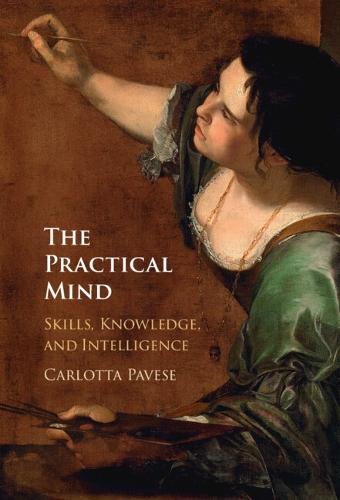
OverviewOur breathtaking intelligence is embodied in our skills. Think of Olympic gymnastics, and the amount of strength and control required to perform even a simple beam routine; think of a carpenter skillfully carving the wood, where complicated techniques come across as sheer easiness of the bodily movements; of a pianist performing a sonata, balancing technical virtuosity with elegance. Throughout our lifetimes, we acquire and refine a vast number of skills, and the improvement and refinement of skills are not bound to the human lifespan alone either: somehow, they also cross generations. Skills both foster cultural evolution and are refined by it – for example, in the way cultural evolution perfects tools and building techniques. What makes skills possible? And how can skills explain our successes? This book is the first systematic discussion of skills: of their nature, and of their relation to knowledge and reasoning. Full Product DetailsAuthor: Carlotta Pavese (University of Oxford)Publisher: Cambridge University Press Imprint: Cambridge University Press Weight: 0.500kg ISBN: 9781009336925ISBN 10: 1009336924 Pages: 412 Publication Date: 30 April 2026 Audience: College/higher education , Postgraduate, Research & Scholarly Format: Hardback Publisher's Status: Forthcoming Availability: Not yet available, will be POD This item is yet to be released. You can pre-order this item and we will dispatch it to you upon it's release. This is a print on demand item which is still yet to be released. Table of ContentsPart I. Foundations: 1. Skill; 2. Skill in action; 3. Intelligence socialism; 4. Intelligence, regresses, and empiricism; 5. A theory of natural talent; 6. Intellectualisms; Part II. Intellectualism with a Human Face: 7. Anti-intellectualism about skilled action and its discontents; 8. Three kinds of control and the mindedness of skilled action; 9. Practical representation and procedural control; 10. Practical concepts and productive reasoning; 11. An epistemic theory of strategic control; 12. From puzzles about control, learning, and flexibility to a theory of skill; 13. Collective skill, practices, and cultural innovation; Epilogue; References; Index.Reviews'In this outstanding book Pavese delivers one of the most systematic, rich, and rewarding accounts of skills to be found anywhere in the philosophical literature. The book is essential reading for philosophers directly working on the nature and acquisition of skills (individual and collective), intentional action, and intelligence, and it could benefit many others who rely on these notions in more applied contexts. Pavese also draws expertly on relevant work from cognitive science, evolutionary psychology, biology, and linguistics, and her views deserve to find an audience with any theorists doing serious work on skills, no matter what discipline they reside in.' Yuri Cath, La Trobe University Author InformationCarlotta Pavese is Fulford Clarendon Professor of Philosophy and Cognitive Science at University of Oxford and Fulford Fellow at Saint Catherine College. She is the editor of the Routledge Handbook of the Philosophy of Skills and Expertise (2020), as well as the author of articles appearing in Philosophical Review and many other journals. Tab Content 6Author Website:Countries AvailableAll regions |
||||