|
|
|||
|
||||
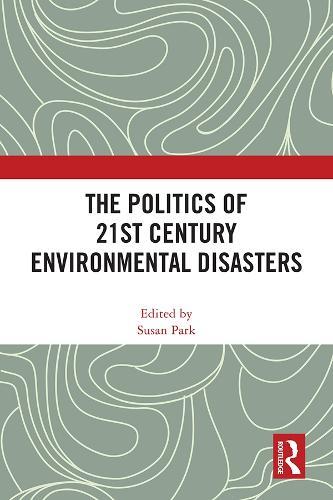
OverviewThis book explores the main concerns for grappling with increasing environmental disasters and examines how environmental disasters are understood by states, corporations, and non-government organizations nationally and internationally. The focus of this book is threefold: first, to investigate what constitutes an environmental disaster and to identify the parameters for political responses nationally and internationally. Second, the chapters analyse contemporary state practices that exacerbate the impact of, and responses to, environmental disasters. They show how states promote extractivism based on limited understandings of nature drawn from Western philosophy. Finally, the book highlights the strengths and weaknesses in political and institutional responses at the local level to such disasters by state and non-state actors. This shows how both slow and fast violence of environmental disasters affects communities, but also how vulnerable subjects are based on people’s capabilities. The Politics of 21st Century Environmental Disasters is an indispensable resource for students and scholars in political science and environmental studies. The chapters in this book were originally published as a special issue of Environmental Politics. Full Product DetailsAuthor: Susan Park (The University of Sydney, Australia)Publisher: Taylor & Francis Ltd Imprint: Routledge Weight: 0.200kg ISBN: 9781032496757ISBN 10: 1032496754 Pages: 114 Publication Date: 28 November 2024 Audience: College/higher education , Tertiary & Higher Education Format: Paperback Publisher's Status: Active Availability: In Print This item will be ordered in for you from one of our suppliers. Upon receipt, we will promptly dispatch it out to you. For in store availability, please contact us. Table of ContentsReviewsAuthor InformationSusan Park is Professor of Global Governance in the Discipline of Government and International Relations at the University of Sydney. She focuses on how International Organisations and global governance can become greener and more accountable, particularly in the transition to renewable energy. Tab Content 6Author Website:Countries AvailableAll regions |
||||