Overview
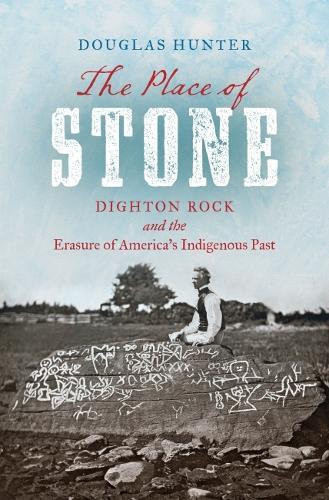
Claimed by many to be the most frequently documented artifact in American archeology, Dighton Rock is a forty-ton boulder covered in petroglyphs in southern Massachusetts. First noted by New England colonists in 1680, the rock's markings have been debated endlessly by scholars and everyday people alike on both sides of the Atlantic. The glyphs have been erroneously assigned to an array of non-Indigenous cultures: Norsemen, Egyptians, Lost Tribes of Israel, vanished Portuguese explorers, and even a prince from Atlantis. In this fascinating story rich in personalities and memorable characters, Douglas Hunter uses Dighton Rock to reveal the long, complex history of colonization, American archaeology, and the conceptualization of Indigenous people. Hunter argues that misinterpretations of the rock's markings share common motivations and have erased Indigenous people not only from their own history but from the landscape. He shows how Dighton Rock for centuries drove ideas about the original peopling of the Americas, including Bering Strait migration scenarios and the identity of the ""Mound Builders."" He argues the debates over Dighton Rock have served to answer two questions: Who belongs in America, and to whom does America belong?
Full Product Details
Author: Douglas Hunter
Publisher: The University of North Carolina Press
Imprint: The University of North Carolina Press
Dimensions:
Width: 15.50cm
, Height: 1.90cm
, Length: 23.30cm
Weight: 0.506kg
ISBN: 9781469668734
ISBN 10: 1469668734
Pages: 344
Publication Date: 02 November 2021
Audience:
General/trade
,
General
Format: Paperback
Publisher's Status: Active
Availability: In Print

This item will be ordered in for you from one of our suppliers. Upon receipt, we will promptly dispatch it out to you. For in store availability, please contact us.
Reviews
The Place of Stone may finally set the public history straight. --American Historical Review The Place of Stone would be useful in public history, Native American history, or history of archaeology courses. Given its regional emphasis, the book will be especially useful for instructors in New England. --The Journal of American History A richly detailed and researched account of this seemingly enigmatic rock that will appeal to readers fascinated with the minutiae and ironies of antiquarian scholarship. --Winterthur Portfolio Deeply researched and fascinating to explore. . . . The rich array of books and archival sources provide a jumping off place for further investigation into efforts made at erasing Native place and speak volumes about the importance of acknowledging Native presence in relation to the rock as well as, more generally, the space of what we call New England. --Historical Journal of Massachusetts Hunter's deeply researched, heavily detailed study raises fascinating questions about white Americans' understandings of Native American culture as well as their own sense of identity and nation. --Publishers Weekly, starred review Recommended. --Choice
"The Place of Stone may finally set the public history straight.""--American Historical Review The Place of Stone would be useful in public history, Native American history, or history of archaeology courses. Given its regional emphasis, the book will be especially useful for instructors in New England.""--The Journal of American History A richly detailed and researched account of this seemingly enigmatic rock that will appeal to readers fascinated with the minutiae and ironies of antiquarian scholarship.""--Winterthur Portfolio Deeply researched and fascinating to explore. . . . The rich array of books and archival sources provide a jumping off place for further investigation into efforts made at erasing Native place and speak volumes about the importance of acknowledging Native presence in relation to the rock as well as, more generally, the space of what we call New England.""--Historical Journal of Massachusetts Hunter's deeply researched, heavily detailed study raises fascinating questions about white Americans' understandings of Native American culture as well as their own sense of identity and nation.""--Publishers Weekly, starred review Recommended.""--Choice"
A richly detailed and researched account of this seemingly enigmatic rock that will appeal to readers fascinated with the minutiae and ironies of antiquarian scholarship.--Winterthur Portfolio Deeply researched and fascinating to explore. . . . The rich array of books and archival sources provide a jumping off place for further investigation into efforts made at erasing Native place and speak volumes about the importance of acknowledging Native presence in relation to the rock as well as, more generally, the space of what we call New England.--Historical Journal of Massachusetts The Place of Stone may finally set the public history straight.--American Historical Review The Place of Stone would be useful in public history, Native American history, or history of archaeology courses. Given its regional emphasis, the book will be especially useful for instructors in New England.--The Journal of American History Recommended.--Choice Hunter's deeply researched, heavily detailed study raises fascinating questions about white Americans' understandings of Native American culture as well as their own sense of identity and nation.--Publishers Weekly, starred review
In The Place of Stone: Dighton Rock and the Erasure of America's Indigenous Past, Douglas Hunter gives a richly detailed and researched account of this seemingly enigmatic rock that will appeal to readers fascinated with the minutiae and ironies of antiquarian scholarship.--Winterthur Portfolio The Place of Stone may finally set the public history straight.--American Historical Review The Place of Stone would be useful in public history, Native American history, or history of archaeology courses. Given its regional emphasis, the book will be especially useful for instructors in New England.--The Journal of American History Recommended.--Choice Hunter's deeply researched, heavily detailed study raises fascinating questions about white Americans' understandings of Native American culture as well as their own sense of identity and nation.--Publishers Weekly, starred review
Author Information
An award-winning journalist and historian, Douglas Hunter's previous books include Half Moon and God's Mercies.