Overview
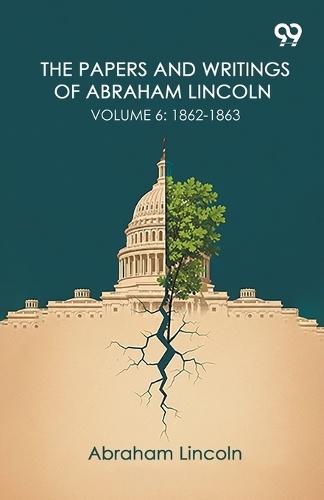
The papers and writings of Abraham Lincoln Volume 6: 1862-1863 offers a compilation of documents that reveal the evolving thought of a political leader confronting a nation in turmoil. The collection presents letters, speeches, and reflections that illustrate the tension between personal conviction and the shifting forces of public opinion. The early entries describe correspondence from a Midwestern setting, where strategic discussions on elections, governance, and national unity unfold with careful attention to the mood of the public. Debates surrounding the expansion of slavery appear repeatedly, framed not as isolated disputes but as challenges to the broader principles that define a functioning society. The writings capture a growing determination to preserve civil liberty in the face of deepening division, emphasizing how political reasoning, moral clarity, and measured rhetoric become tools for navigating conflict. Through its detailed record, the volume highlights a period in which ideas, arguments, and decisions shaped the direction of a fractured nation and prepared the groundwork for future resolutions.
Full Product Details
Author: Abraham Lincoln
Publisher: Double 9 Books
Imprint: Double 9 Books
Dimensions:
Width: 14.00cm
, Height: 1.70cm
, Length: 21.60cm
Weight: 0.349kg
ISBN: 9789375553519
ISBN 10: 9375553515
Pages: 300
Publication Date: 01 November 2025
Audience:
General/trade
,
General
Format: Paperback
Publisher's Status: Active
Availability: Available To Order

We have confirmation that this item is in stock with the supplier. It will be ordered in for you and dispatched immediately.
Author Information
Abraham Lincoln is recognized as a national leader whose life reflects determination, resilience, and a commitment to preserving the integrity of the United States during its most severe internal conflict. Born to Thomas Lincoln and Nancy Hanks Lincoln in a rural setting marked by limited resources, he grew up in an environment that shaped his belief in discipline, self-education, and steady moral purpose. His early years of labor, study, and gradual involvement in public affairs contributed to a developing interest in law and governance. As he entered political life, he became increasingly involved in debates surrounding national unity, human liberty, and the responsibilities of representative leadership. His presidency was defined by the struggle to maintain the nation during a destructive war and by decisions that altered the course of the country's social and political structure. His leadership displayed a balance of firmness and empathy, reflecting his belief in the preservation of democratic institutions. His legacy endures as an example of steadfast public service and the pursuit of national cohesion.