Overview
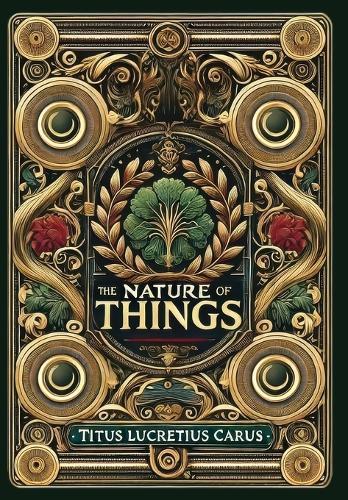
Collector's Edition Laminated Hardback with Jacket Exploring the mysteries of existence, this ancient Roman epic poem delves into the nature of the universe, the origins of life, and the workings of the human mind. Through vivid imagery and philosophical insight, it examines the physical world, offering a vision of a universe governed by atoms and natural laws rather than divine intervention. The narrative unfolds with an engaging blend of poetic beauty and scientific curiosity, encouraging readers to embrace reason and seek tranquility in the face of life's uncertainties. Each passage invites reflection on humanity's place in the cosmos, blending timeless wisdom with striking literary artistry. A cornerstone of ancient philosophy, The Nature of Things bridges science and poetry, presenting a bold, atomistic view of the universe. Lucretius' work profoundly influenced Renaissance thought, reigniting interest in classical knowledge and shaping the foundations of modern science. Its challenge to superstition and emphasis on reason resonate with Enlightenment ideals, making it a timeless exploration of human curiosity. Revered for its literary brilliance and intellectual daring, this masterpiece continues to inspire discussions on nature, existence, and humanity's quest for understanding.
Full Product Details
Author: Titus Lucretius Carus
Publisher: Revive Classics
Imprint: Revive Classics
Dimensions:
Width: 15.20cm
, Height: 1.90cm
, Length: 22.90cm
Weight: 0.544kg
ISBN: 9781998736140
ISBN 10: 1998736148
Pages: 280
Publication Date: 18 February 2025
Audience:
General/trade
,
General
Format: Hardback
Publisher's Status: Active
Availability: Available To Order

We have confirmation that this item is in stock with the supplier. It will be ordered in for you and dispatched immediately.
Author Information
Titus Lucretius Carus, a Roman poet and philosopher of the 1st century BC, is renowned for his epic poem De rerum natura (On the Nature of Things). This work explores Epicurean philosophy, focusing on atomism, the mind, and the natural world. Despite its influence, little is known about Lucretius's life, leaving his biography shrouded in mystery.Rediscovered in 1417 by Renaissance humanist Poggio Bracciolini, De rerum natura played a pivotal role in reviving atomistic thought. Its themes influenced Roman writers like Virgil and Horace, as well as later scientific and philosophical movements. The poem's rediscovery marked a turning point in the intellectual history of the Western world.Lucretius's challenge to superstition and emphasis on reason inspired Enlightenment thinkers and modern scientific perspectives. His poetic exploration of nature and existence remains deeply relevant today. Through his timeless work, Lucretius invites readers to reflect on the fundamental nature of reality.