Overview
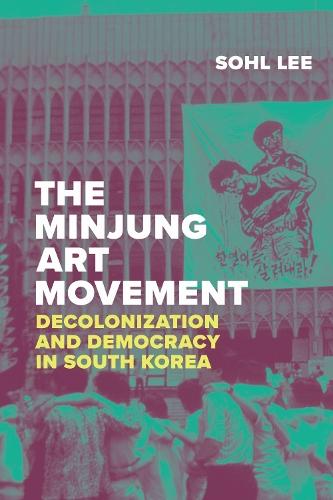
Emerging as multifaceted cultural activism, the minjung (people’s) art movement defined the aesthetics of the pro-democracy movements in the 1970s and 1980s in South Korea. Tracing minjung art’s history and legacy, Sohl Lee explores how artists associated with the movement mobilized images, print, and performance to build movement publics and reimagine sovereignty. Hundreds of artists questioned the underlying assumptions of liberal democracies and the art-making practices of the global Cold War. Their decolonial critiques of international modernism were inseparable from reimagining democracy and refiguring the relationship between art and democracy. Recuperating overlooked performance-oriented practices and the protest aesthetics that helped usher in parliamentary democracy in 1987, Lee shows that South Korea’s globalization in the 1990s and its rise as cultural soft power in the new millennium cannot be understood apart from a pro-democracy culture that was both political and popular.
Full Product Details
Author: Sohl C. Lee
Publisher: Duke University Press
Imprint: Duke University Press
Weight: 0.445kg
ISBN: 9781478033233
ISBN 10: 1478033231
Pages: 420
Publication Date: 14 April 2026
Audience:
Professional and scholarly
,
College/higher education
,
Professional & Vocational
,
Postgraduate, Research & Scholarly
Format: Paperback
Publisher's Status: Forthcoming
Availability: Not yet available

This item is yet to be released. You can pre-order this item and we will dispatch it to you upon its release.
Reviews
“This groundbreaking book examines how minjung artists played a pivotal role in Korea’s democratization and decolonization. Through bold experimentation, cross-cultural collaboration, and active participation in sweeping social change, these artists not only responded to but also shaped a turbulent political era. An essential read for anyone interested in the intersection of art, activism, and history.”—Namhee Lee, Professor of Modern Korean History, University of California, Los Angeles
“This groundbreaking book examines how minjung artists played a pivotal role in Korea’s democratization and decolonization. Through bold experimentation, cross-cultural collaboration, and active participation in sweeping social change, these artists not only responded to but also shaped a turbulent political era. An essential read for anyone interested in the intersection of art, activism, and history.”—Namhee Lee, Professor of Modern Korean History, University of California, Los Angeles ""By situating minjung within the broader global history of political art and collectives, Lee highlights its significance in a longer global history of art, while also connecting its relevance to contemporary discussions on collective practices, shifting attention to the role of art in fostering collective action and envisioning new social possibilities. Not merely a cultural phenomenon, but a politically charged force that embodied and activated the collective will in opposition to an authoritarian state, the Minjung art movement demonstrates the capacities of what art can do in troubled times."" —Ming Tiampo, Professor of Art History, Carleton University
Author Information
Sohl Lee is Associate Professor of Art History at Stony Brook University.