Overview
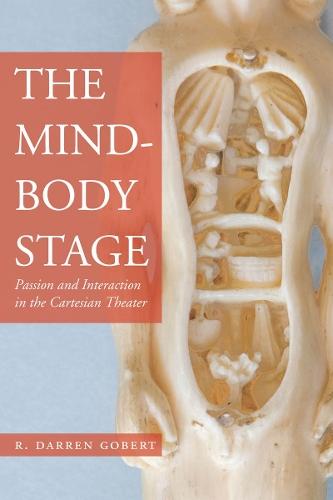
Descartes's notion of subjectivity changed the way characters would be written, performed by actors, and received by audiences. His coordinate system reshaped how theatrical space would be conceived and built. His theory of the passions revolutionized our understanding of the emotional exchange between spectacle and spectators. Yet theater scholars have not seen Descartes's transformational impact on theater history. Nor have philosophers looked to this history to understand his reception and impact. After Descartes, playwrights put Cartesian characters on the stage and thematized their rational workings. Actors adapted their performances to account for new models of subjectivity and physiology. Critics theorized the theater's emotional and ethical benefits in Cartesian terms. Architects fostered these benefits by altering their designs. The Mind-Body Stage provides a dazzlingly original picture of one of the most consequential and confusing periods in the histories of modern theater and philosophy. Interdisciplinary and comparatist in scope, it uses methodological techniques from literary study, philosophy, theater history, and performance studies and draws on scores of documents (including letters, libretti, religious jeremiads, aesthetic treatises, and architectural plans) from several countries.
Full Product Details
Author: R. Darren Gobert
Publisher: Stanford University Press
Imprint: Stanford University Press
Edition: New edition
Dimensions:
Width: 15.20cm
, Height: 1.80cm
, Length: 22.90cm
Weight: 0.476kg
ISBN: 9780804786386
ISBN 10: 0804786380
Pages: 264
Publication Date: 21 August 2013
Audience:
Professional and scholarly
,
Professional & Vocational
Format: Hardback
Publisher's Status: Active
Availability: In Print

This item will be ordered in for you from one of our suppliers. Upon receipt, we will promptly dispatch it out to you. For in store availability, please contact us.
Reviews
With the publication of Gobert's book, no longer can we see the Cartesian subject as a pure mind disconnected from others or the 'emotional cocktails' that constitute experience. His fascinating and original discussion of Descartes's theory of the passions and the mind-body union is a must for scholars of early modern literature and drama, historians of philosophy and of science, and philosophers of mind and neuroscience. - Patricia Easton, Claremont Graduate University A terrific contribution to the growing literature on theater and philosophy, The Mind-Body Stage shows us a Descartes who writes ballet and who sees his thought dramatized by Corneille and enacted by Moliere. Far from being mortal enemies, theater and philosophy engage in a passionate pas de deux from which emerges nothing less than a Cartesian Theater. - Martin Puchner, Harvard University A terrific contribution to the growing literature on theater and philosophy, The Mind-Body Stage shows us a Descartes who writes ballet and who sees his thought dramatized by Corneille and enacted by Moliere. Far from being mortal enemies, theater and philosophy engage in a passionate pas de deux from which emerges nothing less than a Cartesian Theater. - Martin Puchner,Harvard University
A terrific contribution to the growing literature on theater and philosophy, The Mind/Body Stage shows us a Descartes who writes ballet and who sees his thought dramatized by Corneille and enacted by Moliere. Far from being mortal enemies, theater and philosophy engage in a passionate pas de deux from which emerges nothing less than a Cartesian Theater. --Martin Puchner, Harvard University
Author Information
R. Darren Gobert is Associate Professor of English and Theatre Studies at York University, Toronto.