Overview
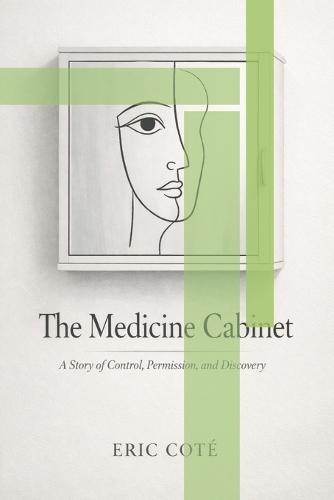
The Medicine Cabinet is a deeply personal memoir examining how authority, medicine, and morality shape our understanding of relief, responsibility, and bodily autonomy. Anchored in childhood memories of a household governed by prescriptions, the book traces one family's sincere, sanctioned attempts at care-and the quiet damage that can occur when compliance replaces understanding. Beginning with the image of a bathroom medicine cabinet filled with orange bottles, the narrative follows the author's early normalization of pharmaceutical intervention as a form of responsibility. As illness, depression, anxiety, and grief accumulate within his family-culminating in his grandmother's rapid cancer-related decline and death at home, his father's clinically documented depression, and his brother's eventual psychiatric hospitalization-the system responds as it is designed to: with diagnoses, prescriptions, protocols, and containment. Throughout, relief is prioritized over inquiry. Symptoms are managed while causes remain unexamined. Suffering becomes legible, but not necessarily understood. The book's turning point arrives when the author himself becomes the subject of intervention. Prescribed a high dose of Adderall as a teenager, he experiences physiological distress, emotional volatility, and loss of appetite-effects that are treated as acceptable tradeoffs rather than warning signs. When he discontinues the medication and later discovers cannabis as a stabilizing alternative, he encounters a profound contradiction: a substance that works reliably for his body is framed as morally suspect and legally forbidden, while sanctioned treatments that caused harm remain unquestioned. Rather than advocating for any single substance, The Medicine Cabinet interrogates the logic that determines which forms of relief are permitted and which are punished. Drawing on lived experience, family history, and cultural research-including engagement with Terence McKenna's Food of the Gods-the book situates contemporary drug policy within longer traditions of moral control, Christian temperance, and institutional authority. It argues that many systems mistake obedience for health and action for care. The narrative culminates in a clear-eyed reflection on autonomy, honesty, and the right to trust one's own embodied experience. The author does not present himself as exemplary, nor does he offer universal prescriptions. Instead, he offers a restrained, humane account of what happens when lived reality diverges from sanctioned narratives-and what it takes to choose understanding over permission.
Full Product Details
Author: Eric Coté
Publisher: Independently Published
Imprint: Independently Published
Dimensions:
Width: 15.20cm
, Height: 0.50cm
, Length: 22.90cm
Weight: 0.113kg
ISBN: 9798241514004
Pages: 76
Publication Date: 28 December 2025
Audience:
General/trade
,
General
Format: Paperback
Publisher's Status: Active
Availability: Available To Order

We have confirmation that this item is in stock with the supplier. It will be ordered in for you and dispatched immediately.