Overview
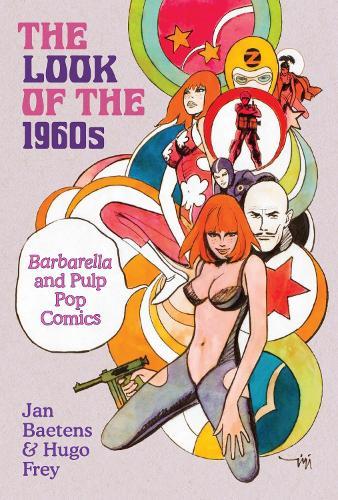
How the classic aesthetic of 1960s pulp comics influenced art, culture, and politics. As a form of visual art, comic books rely on a distinct and eye-catching aesthetic. This is especially true of the iconic comics, graphic novels, and illustrations of the 1960s and 1970s. The Look of the 1960s explores the sources of inspiration that influenced the world of comics, beginning with the well-known French comics series Barbarella. Noted comics scholars Jan Baetens and Hugo Frey analyze the impacts of the often-provocative images featured in the comics of the 1960s, which pushed back against French censorship in a politically tense time, and detail how women resisted their objectification in the comic book industry. Barbarella left its mark on the world and gained international attention, inspiring a movie adaptation and changing the look and content of other popular comics. The “Pulp Pop” movement remains relevant today, continuing to influence the art and political world. With new information about artists and an astute analysis of sociopolitical influence, The Look of the 1960s offers deep insights, making it a must read for comics fans all over the world.
Full Product Details
Author: Jan Baetens ,
Hugo Frey
Publisher: University of Texas Press
Imprint: University of Texas Press
Weight: 0.454kg
ISBN: 9781477332504
ISBN 10: 1477332502
Pages: 272
Publication Date: 06 January 2026
Audience:
Professional and scholarly
,
College/higher education
,
Professional & Vocational
,
Postgraduate, Research & Scholarly
Format: Hardback
Publisher's Status: Forthcoming
Availability: Not yet available

This item is yet to be released. You can pre-order this item and we will dispatch it to you upon its release.
Reviews
The Look of the 1960s illuminates complex intricacies of representation and publishing practices from several key, albeit neglected, clusters of comics publishing. Incorporating primary texts and archival records that are not readily accessible to many American scholars, Baetens and Frey offer valuable insights into the history and content of groundbreaking and sometimes controversial art whose impact continues to reverberate.--Anna F. Peppard, editor of Supersex: Sexuality, Fantasy, and the Superhero This is an excellent and above all thought-provoking book. The wealth of material in The Look of the 1960s remains eminently readable because the authors never lose sight of concrete cultural objects, which they contextualize, summarize, and analyze. I plan to use this book in my own research, and I will recommend it to readers with even a passing interest in French comics culture, the origins of the graphic novel, transnational circulations, and the role of comics in a broader media ecology.--Nicolas Labarre, author of Understanding Genres in Comics
Author Information
Jan Baetens is a professor emeritus of cultural studies at KU Leuven and the author of The Film Photonovel: A Cultural History of Forgotten Adaptations. Hugo Frey is a professor of cultural and visual history at the University of Chichester and the coauthor of The Graphic Novel: An Introduction.