Overview
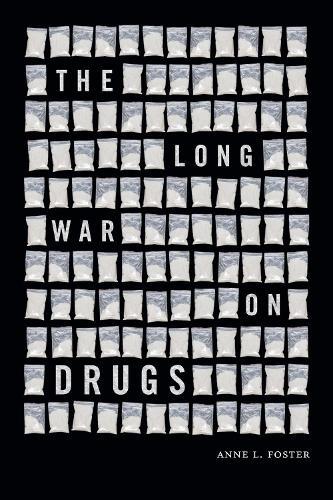
Since the early twentieth century, the United States has led a global prohibition effort against certain drugs in which production restriction and criminalization are emphasized over prevention and treatment as means to reduce problematic drug usage. This ""war on drugs"" is widely seen to have failed, and periodically de-criminalization and legalization movements arise. Debates continue over whether the problems of addiction and crime associated with illicit drug use stem from their illicit status or the nature of the drugs themselves. In The Long War on Drugs Anne L. Foster explores the origin of the punitive approach to drugs and its continued appeal, despite its obvious flaws. She provides a comprehensive overview, focusing not only on a political history of policy developments, but also on changes in medical practice and knowledge of drugs. Foster also outlines the social and cultural changes prompting different attitudes about drugs, the racial, environmental, and social justice implications of particular drug policies, and the international consequences of US drug policy.
Full Product Details
Author: Anne L. Foster
Publisher: Duke University Press
Imprint: Duke University Press
Weight: 0.249kg
ISBN: 9781478025429
ISBN 10: 1478025425
Pages: 224
Publication Date: 15 December 2023
Audience:
Professional and scholarly
,
Professional & Vocational
Format: Paperback
Publisher's Status: Active
Availability: To order

Stock availability from the supplier is unknown. We will order it for you and ship this item to you once it is received by us.
Reviews
“The Long War on Drugs makes diplomatic history, the interaction between US domestic and regional drug policy, and social and cultural history work together to show how the present has been produced by the past. In beautiful prose, Anne L. Foster explains the diplomatic history of global prohibition and the various national interests it has supposedly served over time. Foster does a great job of bringing the current situation into view.” -- Nancy D. Campbell, author of * OD: Naloxone and the Politics of Overdose * “A smart, compelling, and accessible soup-to-nuts narrative history of US drug wars, at home and abroad. It’s a terrific survey for newcomers that also advances the field with fresh insights and synthesis.” -- David Herzberg, author of * White Market Drugs: Big Pharma and the Hidden History of Addiction in America *
“The Long War on Drugs makes diplomatic history, the interaction between US domestic and regional drug policy, and social and cultural history work together to show how the present has been produced by the past. In beautiful prose, Anne L. Foster explains the diplomatic history of global prohibition and the various national interests it has supposedly served over time. Foster does a great job of bringing the current situation into view.” -- Nancy D. Campbell, author of * OD: Naloxone and the Politics of Overdose *
The Long War on Drugs makes diplomatic history, the interaction between US domestic and regional drug policy, and social and cultural history work together to show how the present has been produced by the past. In beautiful prose, Anne L. Foster explains the diplomatic history of global prohibition and the various national interests it has supposedly served over time. Foster does a great job of bringing the current situation into view. -- Nancy D. Campbell, author of * OD: Naloxone and the Politics of Overdose *
Author Information
Anne L. Foster is Associate Professor of History at Indiana State University, author of Projections of Power: The United States and Europe in Colonial Southeast Asia, 1919–1941, and coeditor of The American Colonial State in the Philippines: Global Perspectives, both also published by Duke University Press.