|
|
|||
|
||||
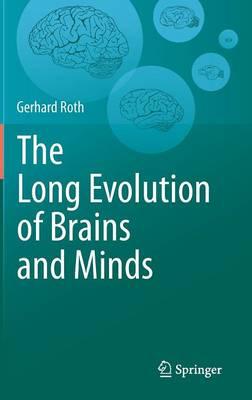
OverviewThe main topic of the book is a reconstruction of the evolution of nervous systems and brains as well as of mental-cognitive abilities, in short “intelligence” from simplest organisms to humans. It investigates to which extent the two are correlated. One central topic is the alleged uniqueness of the human brain and human intelligence and mind. It is discussed which neural features make certain animals and humans intelligent and creative: Is it absolute or relative brain size or the size of “intelligence centers” inside the brains, the number of nerve cells inside the brain in total or in such “intelligence centers” decisive for the degree of intelligence, of mind and eventually consciousness? And which are the driving forces behind these processes? Finally, it is asked what all this means for the classical problem of mind-brain relationship and for a naturalistic theory of mind. Full Product DetailsAuthor: Gerhard RothPublisher: Springer Imprint: Springer Edition: 2013 ed. Dimensions: Width: 15.50cm , Height: 2.50cm , Length: 23.50cm Weight: 6.944kg ISBN: 9789400762589ISBN 10: 9400762585 Pages: 320 Publication Date: 14 June 2013 Audience: College/higher education , Professional and scholarly , Postgraduate, Research & Scholarly , Professional & Vocational Format: Hardback Publisher's Status: Active Availability: Manufactured on demand We will order this item for you from a manufactured on demand supplier. Table of ContentsReviewsFrom the reviews: The author examines in detail the structural/functional differences in the ring nervous systems of Cnidaria, diffuse nerve nets of bilateria, and the complex invertebrate brain of cephalopods (especially octopus), among others. ... This book is highly recommended for anyone with research agendas in comparative neuroscience, evolutionary neuroscience, cognitive science in general, and philosophy of mind. (Paul Tibbetts, The Quarterly Review of Biology, Vol. 88, December, 2013) From the reviews: “The author examines in detail the structural/functional differences in the ring nervous systems of Cnidaria, diffuse nerve nets of bilateria, and the complex invertebrate brain of cephalopods (especially octopus), among others. … This book is highly recommended for anyone with research agendas in comparative neuroscience, evolutionary neuroscience, cognitive science in general, and philosophy of mind.” (Paul Tibbetts, The Quarterly Review of Biology, Vol. 88, December, 2013) Author InformationTab Content 6Author Website:Countries AvailableAll regions |
||||