Overview
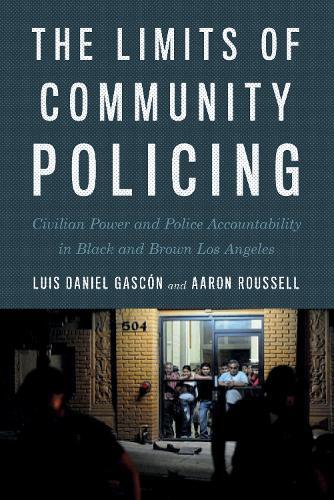
A critical look at the realities of community policing in South Los Angeles The Limits of Community Policing addresses conflicts between police and communities. Luis Daniel Gascón and Aaron Roussell depart from traditional conceptions, arguing that community policing—popularized for decades as a racial panacea—is not the solution it seems to be. Tracing this policy back to its origins, they focus on the Los Angeles Police Department, which first introduced community policing after the high-profile Rodney King riots. Drawing on over sixty interviews with officers, residents, and stakeholders in South LA's ""Lakeside"" precinct, they show how police tactics amplified—rather than resolved—racial tensions, complicating partnership efforts, crime response and prevention, and accountability. Gascón and Roussell shine a new light on the residents of this neighborhood to address the enduring—and frequently explosive—conflicts between police and communities. At a time when these issues have taken center stage, this volume offers a critical understanding of how community policing really works.
Full Product Details
Author: Luis Daniel Gascón ,
Aaron Roussell
Publisher: New York University Press
Imprint: New York University Press
Weight: 0.476kg
ISBN: 9781479842254
ISBN 10: 1479842257
Pages: 320
Publication Date: 23 July 2019
Audience:
Professional and scholarly
,
Professional & Vocational
Format: Paperback
Publisher's Status: Active
Availability: Manufactured on demand

We will order this item for you from a manufactured on demand supplier.
Reviews
The persuasive evidence in The Limits of Community Policing raises very serious questions about the basic procedures for engaging the community in community policing programs and other police programs with a similar purpose. Based on five years of observational research on community meetings in Los Angeles, the authors persuasively document how police officials control the procedures and the outcomes of neighborhood meetings. In addition to controlling agendas, officials respond to the expressed concerns of meeting participants by accepting some, deflecting others away from police responsibility, or resisting them altogether. The most urgent community concerns about policing, in short, are never fully addressed. This is an extremely important book for scholars, police officials and policy-makers. -Samuel Walker,co-author of The New World of Police Accountability, Third Edition
The persuasive evidence in The Limits of Community Policing raises very serious questions about the basic procedures for engaging the community in community policing programs and other police programs with a similar purpose. Based on five years of observational research on community meetings in Los Angeles, the authors persuasively document how police officials control the procedures and the outcomes of neighborhood meetings. In addition to controlling agendas, officials respond to the expressed concerns of meeting participants by accepting some, deflecting others away from police responsibility, or resisting them altogether. The most urgent community concerns about policing, in short, are never fully addressed. This is an extremely important book for scholars, police officials and policy-makers. -- Samuel Walker,co-author of The New World of Police Accountability, Third Edition This meticulously researched ethnographic study of community policing in Los Angeles addresses the larger racial dynamics of the interaction between Black and Brown communities and the LAPD. In doing so, the authors offer compelling insight into the citizens wishes, and the departments response. An important work for anyone studying Los Angeles, or those examining the relationship between minority communities and police departments in challenging times. -- Jeannine Bell, author of Hate Thy Neighbor: Move-in Violence and the Persistence of Racial Segregation in America Through extensive ethnographic research, The Limits of Community Policing challenges the taken for granted value of community policing by showing the ways that police produce and manage it and in the process exacerbate core problems of inequality in the Los Angeles landscape. -- Alex S. Vitale,author of The End of Policing There are many books on community policing, but this is the first to provide a detailed, reflective interdisciplinary approach to finding solutions in the 21st century. The Limits of Community Policing is an important book. * Choice *
Through extensive ethnographic research, The Limits of Community Policing challenges the taken for granted value of community policing by showing the ways that police produce and manage it and in the process exacerbate core problems of inequality in the Los Angeles landscape. -- Alex S. Vitale,author of The End of Policing The persuasive evidence in The Limits of Community Policing raises very serious questions about the basic procedures for engaging the community in community policing programs and other police programs with a similar purpose. Based on five years of observational research on community meetings in Los Angeles, the authors persuasively document how police officials control the procedures and the outcomes of neighborhood meetings. In addition to controlling agendas, officials respond to the expressed concerns of meeting participants by accepting some, deflecting others away from police responsibility, or resisting them altogether. The most urgent community concerns about policing, in short, are never fully addressed. This is an extremely important book for scholars, police officials and policy-makers. -- Samuel Walker,co-author of The New World of Police Accountability, Third Edition There are many books on community policing, but this is the first to provide a detailed, reflective interdisciplinary approach to finding solutions in the 21st century. The Limits of Community Policing is an important book. * Choice * This meticulously researched ethnographic study of community policing in Los Angeles addresses the larger racial dynamics of the interaction between Black and Brown communities and the LAPD. In doing so, the authors offer compelling insight into the citizens wishes, and the departments response. An important work for anyone studying Los Angeles, or those examining the relationship between minority communities and police departments in challenging times. -- Jeannine Bell, author of Hate Thy Neighbor: Move-in Violence and the Persistence of Racial Segregation in America
The persuasive evidence in The Limits of Community Policing raises very serious questions about the basic procedures for engaging the community in community policing programs and other police programs with a similar purpose. Based on five years of observational research on community meetings in Los Angeles, the authors persuasively document how police officials control the procedures and the outcomes of neighborhood meetings. In addition to controlling agendas, officials respond to the expressed concerns of meeting participants by accepting some, deflecting others away from police responsibility, or resisting them altogether. The most urgent community concerns about policing, in short, are never fully addressed. This is an extremely important book for scholars, police officials and policy-makers. -Samuel Walker,co-author of The New World of Police Accountability, Third Edition Through extensive ethnographic research, The Limits of Community Policing challenges the taken for granted value of community policing by showing the ways that police produce and manage it and in the process exacerbate core problems of inequality in the Los Angeles landscape. -Alex S. Vitale,author of The End of Policing This meticulously researched ethnographic study of community policing in Los Angeles addresses the larger racial dynamics of the interaction between Black and Brown communities and the LAPD. In doing so, the authors offer compelling insight into the citizen's wishes, and the department's response. An important work for anyone studying Los Angeles, or those examining the relationship between minority communities and police departments in challenging times. -Jeannine Bell,author of Hate Thy Neighbor: Move-in Violence and the Persistence of Racial Segregation in Ameri
Through extensive ethnographic research, The Limits of Community Policing challenges the taken for granted value of community policing by showing the ways that police produce and manage it and in the process exacerbate core problems of inequality in the Los Angeles landscape. -Alex S. Vitale, author of The End of Policing This meticulously researched ethnographic study of community policing in Los Angeles addresses the larger racial dynamics of the interaction between Black and Brown communities and the LAPD. In doing so, the authors offer compelling insight into the citizen's wishes, and the department's response. An important work for anyone studying Los Angeles, or those examining the relationship between minority communities and police departments in challenging times. -Jeannine Bell, author of Hate Thy Neighbor: Move-in Violence and the Persistence of Racial Segregation in Ameri The persuasive evidence in The Limits of Community Policing raises very serious questions about the basic procedures for engaging the community in community policing programs and other police programs with a similar purpose. Based on five years of observational research on community meetings in Los Angeles, the authors persuasively document how police officials control the procedures and the outcomes of neighborhood meetings. In addition to controlling agendas, officials respond to the expressed concerns of meeting participants by accepting some, deflecting others away from police responsibility, or resisting them altogether. The most urgent community concerns about policing, in short, are never fully addressed. This is an extremely important book for scholars, police officials and policy-makers. -Samuel Walker, co-author of The New World of Police Accountability, Third Edition
This meticulously researched ethnographic study of community policing in Los Angeles addresses the larger racial dynamics of the interaction between Black and Brown communities and the LAPD. In doing so, the authors offer compelling insight into the citizens wishes, and the departments response. An important work for anyone studying Los Angeles, or those examining the relationship between minority communities and police departments in challenging times. -- Jeannine Bell, author of Hate Thy Neighbor: Move-in Violence and the Persistence of Racial Segregation in America There are many books on community policing, but this is the first to provide a detailed, reflective interdisciplinary approach to finding solutions in the 21st century. The Limits of Community Policing is an important book. * Choice * The persuasive evidence in The Limits of Community Policing raises very serious questions about the basic procedures for engaging the community in community policing programs and other police programs with a similar purpose. Based on five years of observational research on community meetings in Los Angeles, the authors persuasively document how police officials control the procedures and the outcomes of neighborhood meetings. In addition to controlling agendas, officials respond to the expressed concerns of meeting participants by accepting some, deflecting others away from police responsibility, or resisting them altogether. The most urgent community concerns about policing, in short, are never fully addressed. This is an extremely important book for scholars, police officials and policy-makers. -- Samuel Walker,co-author of The New World of Police Accountability, Third Edition Through extensive ethnographic research, The Limits of Community Policing challenges the taken for granted value of community policing by showing the ways that police produce and manage it and in the process exacerbate core problems of inequality in the Los Angeles landscape. -- Alex S. Vitale,author of The End of Policing
Author Information
Luis Daniel Gascón is an Assistant Professor of Sociology at the University of San Francisco. Aaron Roussell is an Assistant Professor of Sociology at Portland State University.