Overview
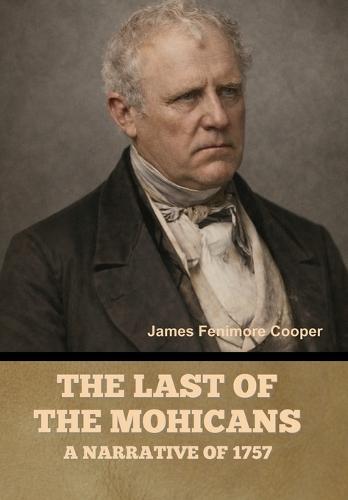
The Last of the Mohicans by James Fenimore Cooper is a historical novel set during the French and Indian War in 1757. The story follows the perilous journey of Cora and Alice Munro, the daughters of a British colonel, as they travel through the dangerous wilderness of colonial New York to reach their father at Fort William Henry. Along the way, they are guided and protected by the frontiersman Hawkeye (Natty Bumppo) and his Mohican companions, Chingachgook and his son Uncas. The novel blends adventure, romance, and historical conflict, portraying the tensions between British, French, and Native American forces. A central focus of the narrative is the vanishing world of Native American tribes, particularly the Mohicans. Through the noble characters of Chingachgook and Uncas, Cooper presents a romanticized image of Indigenous bravery, loyalty, and honor. In contrast, the Huron leader Magua serves as a complex antagonist driven by revenge and personal grievance. The wilderness itself becomes almost a character, shaping the action and symbolizing both freedom and danger. Cooper's detailed descriptions of forests, lakes, and frontier life emphasize the vast, untamed landscape of early America and the cultural clashes unfolding within it. The novel ultimately explores themes of loyalty, sacrifice, racial tension, and the cost of empire. The tragic fate of Uncas, often considered ""the last of the Mohicans,"" underscores the theme of cultural extinction as European expansion reshapes the continent. Cooper's work is both a thrilling adventure tale and a reflection on the transformation of America during the colonial era. As part of Cooper's Leatherstocking Tales series, the novel remains one of the most widely read and studied works of early American literature. About the author James Fenimore Cooper was an American novelist best known as one of the earliest and most influential writers of historical fiction in the United States. He was born on September 15, 1789, in Burlington, New Jersey, and grew up in Cooperstown, New York, a frontier town founded by his father. This early exposure to wilderness life and encounters between settlers and Native Americans would later shape many of his most famous stories. Cooper lived during a period when the young nation was still defining its identity, and his work helped give American literature a distinct voice. Before becoming a writer, Cooper pursued a varied education and career path. He briefly attended Yale College but was expelled due to disciplinary issues. Afterward, he joined the U.S. Navy, where he gained firsthand experience with maritime life. These naval experiences strongly influenced several of his novels, especially those focused on the sea. Cooper did not initially plan to be an author; legend has it that he began writing after claiming he could write a better novel than one he had just read. Cooper achieved lasting fame with The Leatherstocking Tales, a series of five novels that includes The Last of the Mohicans, The Deerslayer, and The Pioneers. These books feature the iconic frontiersman Natty Bumppo and explore themes of nature, civilization, and cultural conflict. Cooper's portrayal of Native Americans was more sympathetic and complex than that of many writers of his time, though modern readers still debate aspects of his representation. His vivid descriptions of the American wilderness helped establish the frontier as a central myth in American culture. ...
Full Product Details
Author: James Fenimore Cooper
Publisher: Indoeuropeanpublishing.com
Imprint: Indoeuropeanpublishing.com
Dimensions:
Width: 15.20cm
, Height: 2.10cm
, Length: 22.90cm
Weight: 0.508kg
ISBN: 9798889425991
Pages: 278
Publication Date: 26 April 2026
Audience:
General/trade
,
General
Format: Hardback
Publisher's Status: Active
Availability: Available To Order

We have confirmation that this item is in stock with the supplier. It will be ordered in for you and dispatched immediately.