Overview
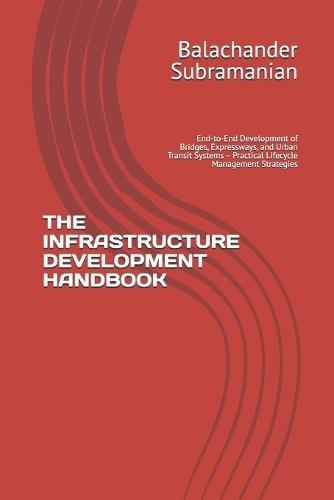
The Infrastructure Development Handbook is a definitive, practitioner-driven reference that delivers a complete, end-to-end understanding of infrastructure project development across the full lifecycle-from concept and feasibility to design, procurement, construction, commissioning, and long-term asset management. Designed for large-scale and complex infrastructure systems, the book integrates engineering, project management, systems thinking, and digital transformation into a unified framework for delivering high-value infrastructure assets. It provides deep insights into the planning and execution of bridges, expressways, rail systems, metro networks, and urban infrastructure, while addressing the growing need for sustainability, resilience, and smart infrastructure solutions. This handbook distinguishes itself through its lifecycle-centric approach, combining: Strategic infrastructure planning and policy alignment Advanced engineering design integration Contracting and procurement frameworks (EPC, PPP, Hybrid models) Construction execution methodologies for mega projects Digital engineering (BIM, Digital Twins, AI-driven planning) Asset management, operations, and lifecycle optimization Rich with real-world applications, frameworks, workflows, and decision tools, the book serves as both a technical manual and strategic guide for infrastructure professionals operating in increasingly complex and high-risk environments. It bridges the gap between theory and execution, enabling practitioners to deliver infrastructure that is efficient, sustainable, resilient, and future-ready. Infrastructure is the backbone of economic growth, social development, and national competitiveness. From expressways connecting regions to metro systems transforming urban mobility, modern infrastructure projects are no longer isolated engineering efforts-they are complex, integrated systems requiring multidisciplinary coordination across decades of lifecycle performance. However, despite advancements in engineering and project management, infrastructure delivery continues to face persistent challenges: Cost overruns and schedule delays Fragmented lifecycle planning Poor integration between design, construction, and operations Limited adoption of digital technologies Weak asset lifecycle optimization This book is built on a central premise: Infrastructure success is not determined at construction-but across the entire lifecycle. The Infrastructure Development Handbook introduces a Lifecycle Integration Framework, where planning, engineering, execution, and operations are treated as a continuous, interconnected system rather than siloed phases. It combines: Systems engineering principles Mega project delivery strategies Digital transformation tools Asset lifecycle optimization techniques The book also reflects the global shift toward: Smart cities Sustainable infrastructure Climate-resilient systems Data-driven asset management By bringing together these domains, this handbook equips professionals to move from project delivery thinking → lifecycle performance thinking.
Full Product Details
Author: Balachander Subramanian
Publisher: Independently Published
Imprint: Independently Published
Dimensions:
Width: 15.20cm
, Height: 2.20cm
, Length: 22.90cm
Weight: 0.553kg
ISBN: 9798258267238
Pages: 416
Publication Date: 21 April 2026
Audience:
General/trade
,
General
Format: Paperback
Publisher's Status: Active
Availability: Available To Order

We have confirmation that this item is in stock with the supplier. It will be ordered in for you and dispatched immediately.