Overview
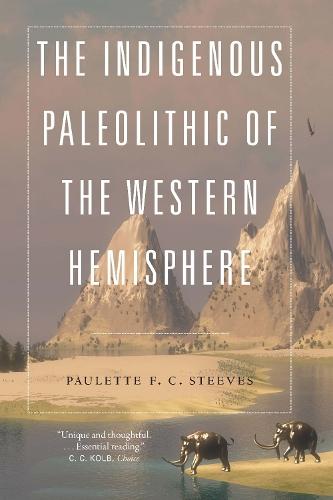
2022 Choice Outstanding Academic Title The Indigenous Paleolithic of the Western Hemisphere is a reclaimed history of the deep past of Indigenous people in North and South America during the Paleolithic. Paulette F. C. Steeves mines evidence from archaeology sites and Paleolithic environments, landscapes, and mammalian and human migrations to make the case that people have been in the Western Hemisphere not only just prior to Clovis sites (10,200 years ago) but for more than 60,000 years, and likely more than 100,000 years. Steeves discusses the political history of American anthropology to focus on why pre-Clovis sites have been dismissed by the field for nearly a century. She explores supporting evidence from genetics and linguistic anthropology regarding First Peoples and time frames of early migrations. Additionally, she highlights the work and struggles faced by a small yet vibrant group of American and European archaeologists who have excavated and reported on numerous pre-Clovis archaeology sites. In this first book on Paleolithic archaeology of the Americas written from an Indigenous perspective, The Indigenous Paleolithic of the Western Hemisphere includes Indigenous oral traditions, archaeological evidence, and a critical and decolonizing discussion of the development of archaeology in the Americas.
Full Product Details
Author: Paulette F. C. Steeves
Publisher: University of Nebraska Press
Imprint: University of Nebraska Press
ISBN: 9781496234704
ISBN 10: 1496234707
Pages: 328
Publication Date: 01 March 2023
Audience:
Professional and scholarly
,
Professional & Vocational
Format: Paperback
Publisher's Status: Active
Availability: In Print

This item will be ordered in for you from one of our suppliers. Upon receipt, we will promptly dispatch it out to you. For in store availability, please contact us.
Reviews
The Indigenous Paleolithic of the Western Hemisphere offers a refreshing perspective of the peopling of what was once called the New World. -Justin A. Holcomb and Curtis N. Runnels, Journal of Island and Coastal Archaeology I want people to read this exciting book and challenge our own assumptions about what we know about Indigenous people's past. Reading books such as this one is important if archaeologists are to confront their own troubling history and challenge themselves to tell different stories which celebrate Indigenous people, their land, and their own ideas about where they come from. -Matthew E. Hill, Journal of the Iowa Archeological Society Unique and thoughtful. . . . This solid narrative of research findings-the first from a Native American perspective-is essential reading. -C. C. Kolb, Choice Writing in the vein of scholars such as Vine Deloria Jr., Paulette Steeves's critique of the 'Clovis-first' model of peopling of the Americas both engages with and moves beyond current ideas about how and when people first came to these lands. The research presented in this book questions the ways archaeologists have traditionally constructed narratives of movement and arrival without considering Indigenous ways of knowing. This is an important and timely contribution to the field. -Kisha Supernant (Metis), associate professor of anthropology at the University of Alberta Paulette Steeves decenters Western power and authority over Indigenous thought, voice, inclusion, and history. The result is an act of healing that benefits both Indigenous people and academic scholarship. -Randall H. McGuire, Distinguished Professor of Anthropology at SUNY Binghamton University A timely analysis of the ethnocentric influences on past and present scientific inquiry and archaeological practice from the perspective of an Indigenous archaeologist. Steeves brings together a host of voices espousing the importance of contextual relationships in hypothesis development and archaeological analysis. -Kathleen Holen, director of the Center for American Paleolithic Research Written from an essential Indigenous perspective, this insightful book examines the existence of First Peoples in the Western Hemisphere for at least 50,000+ years longer than previously accepted and uncovers the reasons this theory has been dismissed for decades. -Karla Strand, Ms. Magazine
This solid narrative of research findings-the first from a Native American perspective-is essential reading. -C. C. Kolb, Choice I want people to read this exciting book and challenge our own assumptions about what we know about Indigenous people's past. Reading books such as this one is important if archaeologists are to confront their own troubling history and challenge themselves to tell different stories which celebrate Indigenous people, their land, and their own ideas about where they come from. -Matthew E. Hill, Journal of the Iowa Archeological Society The Indigenous Paleolithic of the Western Hemisphere offers a refreshing perspective of the peopling of what was once called the New World. -Justin A. Holcomb and Curtis N. Runnels, Journal of Island and Coastal Archaeology Writing in the vein of scholars such as Vine Deloria Jr., Paulette Steeves's critique of the 'Clovis-first' model of peopling of the Americas both engages with and moves beyond current ideas about how and when people first came to these lands. The research presented in this book questions the ways archaeologists have traditionally constructed narratives of movement and arrival without considering Indigenous ways of knowing. This is an important and timely contribution to the field. -Kisha Supernant (Metis), associate professor of anthropology at the University of Alberta Paulette Steeves decenters Western power and authority over Indigenous thought, voice, inclusion, and history. The result is an act of healing that benefits both Indigenous people and academic scholarship. -Randall H. McGuire, Distinguished Professor of Anthropology at SUNY Binghamton University A timely analysis of the ethnocentric influences on past and present scientific inquiry and archaeological practice from the perspective of an Indigenous archaeologist. Steeves brings together a host of voices espousing the importance of contextual relationships in hypothesis development and archaeological analysis. -Kathleen Holen, director of the Center for American Paleolithic Research
Author Information
Paulette F. C. Steeves (Cree-MÉtis) is an associate professor of sociology and Canada Research Chair Tier II Indigenous History Healing and Reconciliation at Algoma University. She is also an adjunct faculty at Mount Allison University.