Overview
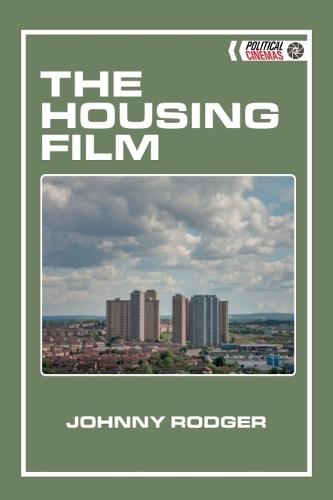
The Housing Film examines how a century of realities and possibilities in domestic living have been profiled and foregrounded through studies and representations of Housing in the medium of Film. The filmic investigations, analysis and exposes of homes and our way of occupying them, and their possible effect on behaviour, in documentaries like Housing Problems (1935) and Paul Sng's Dispossession: The Great Council Housing Swindle (2017), propaganda films like Cumbernauld: Town for Tomorrow (1970), dramas like Cathy Come Home (1966) and features like High Rise (2017), to understand how closely the tow film and housing - have grown and developed together, each conditioning the understanding and the range of possibilities of the other. This study will examine how these histories are in fact intertwined, will analyse and assess the mutual effects of Housing and Film and propose and define a specific category of 'The Housing Film.'
Full Product Details
Author: Johnny Rodger (Professor of Urban Literature, Glasgow School of Art)
Publisher: Edinburgh University Press
Imprint: Edinburgh University Press
ISBN: 9781399520348
ISBN 10: 1399520342
Pages: 248
Publication Date: 29 May 2026
Audience:
Professional and scholarly
,
Professional & Vocational
Format: Paperback
Publisher's Status: Forthcoming
Availability: Not yet available

This item is yet to be released. You can pre-order this item and we will dispatch it to you upon its release.
Reviews
""The Housing Film gives a vivid new perspective on the monumental story of modern mass housing, through the dramatic lens of film - a medium tailor-made to project the rhetorical passions of the ‘housing problem’ - and skilfully exploits the idiosyncrasies of British debate as a springboard to explore global discourses of housing crisis."" -- Miles Glendinning, Professor of Architectural Conservation, University of Edinburgh Rodger writes engagingly about the development of the promotional use of film with a consideration of the often-overlooked role of sponsorship in housing (and other non-fiction) films of the 1930s and later. The vividness of the horrific living conditions shown in Housing Problems means that many viewers forget that the film was a promotional work for the use of gas. Intriguingly, Rodger mentions that the sponsorship of the film meant that Housing Problems could not be shown on the BBC in its earlier days. -- Ros Cranston * Journal of British Cinema and Television *
""The Housing Film gives a vivid new perspective on the monumental story of modern mass housing, through the dramatic lens of film - a medium tailor-made to project the rhetorical passions of the ‘housing problem’ - and skilfully exploits the idiosyncrasies of British debate as a springboard to explore global discourses of housing crisis."" -- Miles Glendinning, Professor of Architectural Conservation, University of Edinburgh
Author Information
Johnny Rodger is Professor of Urban Literature at Glasgow School of Art. His most recent publications include Glasgow Cool of Art: 13 books of fire at the Mackintosh Library, Key Essays: Mapping the Contemporary in Literature and Culture and The Hero Building: An Architecture of Scottish National Identity.