|
|
|||
|
||||
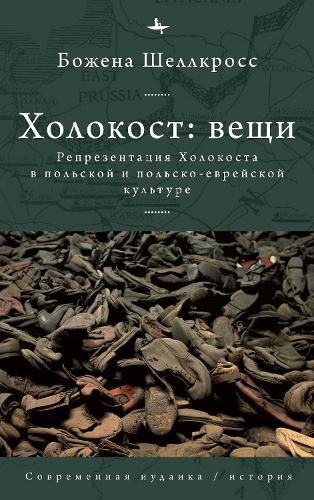
OverviewIn stark contrast to the widespread preoccupation with the wartime looting of priceless works of art, Boena Shallcross focuses on the meaning of ordinary objectspots, eyeglasses, shoes, clothing, kitchen utensilstangible vestiges of a once-lived reality, which she reads here as cultural texts. Shallcross delineates the ways in which Holocaust objects are represented in Polish and Polish-Jewish texts written during or shortly after World War II. These representational strategies are distilled from the writings of Zuzanna Ginczanka, Wadysaw Szlengel, Zofia Nakowska, Czesaw Miosz, Jerzy Andrzejewski, and Tadeusz Borowski. Combining close readings of selected texts with critical interrogations of a wide range of philosophical and theoretical approaches to the nature of matter, Shallcross's study broadens the current discourse on the Holocaust by embracing humble and overlooked material objects as they were perceived by writers of that time. Full Product DetailsAuthor: Boena Shallcross , Maria Krisan'Publisher: Academic Studies Press Imprint: Academic Studies Press ISBN: 9798897838103Pages: 250 Publication Date: 05 March 2026 Audience: General/trade , General Format: Paperback Publisher's Status: Active Availability: Not yet available This item is yet to be released. You can pre-order this item and we will dispatch it to you upon its release. Table of ContentsReviewsAuthor InformationBoena Shallcross is a professor of Polish and Polish-Jewish cultural studies in the Slavic Department at the University of Chicago, as well as an essayist, translator, and art critic. She is the author of several monographs, edited volumes, and articles, which explore a variety of concepts related to the once fundamental division between the seeing subject and the objectual sphere in literature, visual arts, and the phenomenal world (Through the Poet's Eye: The Travels ofZagajewski, Herbert, and Brodsky; Northwestern UP, 2002). Recently, she situated surviving objects in the radical setting of WWII in order to establish their precarious ontology and the efforts at their memorialization and restoration (""War and Violence: How to Rescue a Wartime Artifact,""in The Cambridge Handbook of Material Culture Studies; Cambridge UP, 2022). Tab Content 6Author Website:Countries AvailableAll regions |
||||