|
|
|||
|
||||
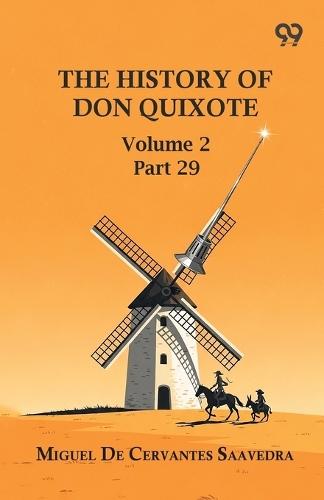
OverviewThe history of Don Quixote Volume 2 Part 29 continues the exploration of idealism imagination and the fragile boundary between reason and illusion. This section focuses on the persistence of a self fashioned identity shaped by devotion to outdated ideals and moral codes. Encounters along the journey reveal how society responds to those who challenge accepted norms through sincerity rather than power. Humor arises from misinterpretation and exaggeration yet beneath it lies a serious reflection on dignity belief and personal freedom. The contrast between practical reality and imagined purpose sharpens as experiences repeatedly test resolve and perception. Social hierarchies customs and authority are questioned through ironic situations that expose hypocrisy and rigid thinking. The narrative balances parody with empathy allowing moments of insight to emerge from apparent folly. Through episodic movement and dialogue this part reinforces the enduring conflict between aspiration and reality while affirming the human need for meaning even when the world resists it. Full Product DetailsAuthor: Miguel De Cervantes SaavedraPublisher: Double 9 Books Imprint: Double 9 Books Dimensions: Width: 14.00cm , Height: 0.30cm , Length: 21.60cm Weight: 0.059kg ISBN: 9789376801817ISBN 10: 9376801814 Pages: 42 Publication Date: 01 January 2026 Audience: General/trade , General Format: Paperback Publisher's Status: Active Availability: Available To Order We have confirmation that this item is in stock with the supplier. It will be ordered in for you and dispatched immediately. Table of ContentsReviewsAuthor InformationMiguel de Cervantes Saavedra was born on September 29, 1547, in Alcala de Henares, Spain, and died on April 22, 1616, in Madrid, Spain. He was a Spanish writer widely regarded as the greatest author in the Spanish language and one of the world's preeminent novelists. Cervantes is best known for his two-part novel Don Quixote, considered the first modern novel, which combines humor, social critique, and philosophical insight. He married Catalina de Salazar y Palacios in 1584 and had one child, Isabel de Saavedra, and he had siblings Andrea de Cervantes and Magdalena de Cervantes. His writing blended episodic storytelling, satire, and exploration of human folly, idealism, and the tension between imagination and reality. Drawing on personal experiences including military service, captivity, and social observation, Cervantes crafted works that balanced narrative inventiveness with ethical reflection. His enduring legacy influenced the development of the modern novel and established him as a central figure in world literature. Tab Content 6Author Website:Countries AvailableAll regions |
||||