Overview
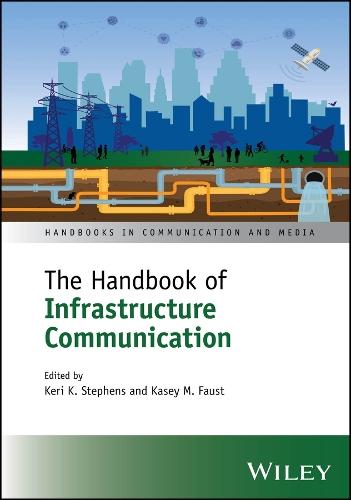
Presents groundbreaking approaches for bridging engineering expertise and human-centered communication in infrastructure systems Infrastructure systems sustain daily life yet are often overlooked until they fail, at which point communication gaps can hinder effective responses and solutions. The Handbook of Infrastructure Communication addresses this critical challenge by establishing ”infrastructure communication” as a distinct interdisciplinary field. Bringing together insights from engineering, communication science, and social science, this handbook offers practical frameworks for translating complex technical information across disciplinary and stakeholder boundaries. The Handbook is organized into six parts, covering foundations of infrastructure communication, physical systems such as water, transportation, and energy, digital communication ecosystems, social networks, cross-cultural strategies, and crisis communication during disasters. Each section combines theoretical analysis with applied examples, including discussions of underserved communities, the integration of AI in infrastructure, and the unique vulnerabilities exposed during extreme weather events. The contributors—engineers, communication researchers, social justice experts, and practitioners—offer diverse perspectives while embedding human-centered approaches within infrastructure planning and management. Throughout the book, in-depth yet accessible chapters demonstrate how effective communication can secure investments, enhance resilience, and ensure infrastructure meets the needs of society at large. Equipping readers to foster collaboration and create infrastructure that is technically sound and socially supported, this reference work: Examines social and cultural contexts that shape public acceptance and equitable access to infrastructure Provides frameworks for engaging communities in decision-making and addressing systemic inequities Offers practical strategies for communicating numeric complexity and visualizing technical information effectively Highlights resilience strategies for crises, including wildfires, floods, and severe weather events Reviews funding mechanisms and interdisciplinary approaches relevant to current U.S. and global initiatives The Handbook of Infrastructure Communication is ideal for advanced undergraduates, graduate students, and scholars in engineering, communication, and urban planning, as well as professionals in infrastructure policy and management. It is particularly well-suited for courses in systems engineering, organizational communication, environmental communication, and urban design, and serves as an essential reference for engineers, planners, policymakers, and crisis communicators.
Full Product Details
Author: Keri K. Stephens (University of Texas Austin) ,
Kasey M. Faust (University of Texas Austin)
Publisher: John Wiley & Sons Inc
Imprint: John Wiley & Sons Inc
ISBN: 9781394236824
ISBN 10: 1394236824
Pages: 496
Publication Date: 04 May 2026
Audience:
Professional and scholarly
,
Professional & Vocational
Format: Hardback
Publisher's Status: Forthcoming
Availability: Awaiting stock

Author Information
Keri K. Stephens is the George Christian Centennial Professor and Co-Director of the Technology & Information Policy Institute at The University of Texas at Austin. An International Communication Association Fellow with over 25 years of interdisciplinary expertise, she has authored more than 140 peer-reviewed publications and award-winning books exploring communication dynamics in crises, infrastructure, organizations, and mobile and AI technologies. Kasey M. Faust is an Associate Professor and John A. Focht Centennial Teaching Fellow in Civil Engineering at the University of Texas at Austin. Her research focuses on sociotechnical infrastructure systems, focusing on water sector challenges including insufficient access, resource constraints, and hazard exposure. She explores not only technical espects of infrastructure but also operating environments and institutional conditions having impact on these systems. She has published over 100 peer-reviewed papers, and has received numerous awards, including the Daniel W. Halpin Award for Scholarship in Construction and Best Paper Awards.