Overview
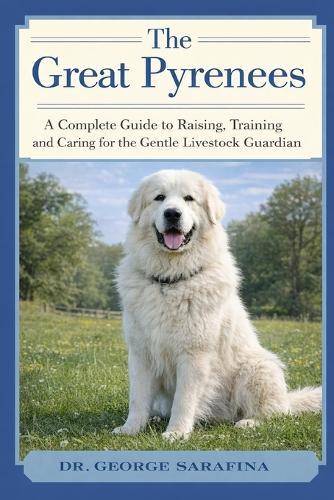
The Great Pyrenees is a breed that commands quiet respect. With its towering size, thick white coat, and calm, watchful presence, this dog appears almost mythical at first glance. Yet behind the majestic exterior lies a deeply loyal, intelligent, and purpose-driven guardian. Often misunderstood as stubborn or aloof, the Great Pyrenees is not a typical obedience-focused breed. Instead, it is a dog shaped by centuries of independent decision-making, unwavering loyalty, and a profound instinct to protect. Originally bred to guard livestock in harsh mountain environments, the Great Pyrenees thrives when it has a sense of purpose. Whether serving as a working livestock guardian or a devoted family companion, this breed brings a unique blend of gentleness and strength. Understanding the Great Pyrenees requires looking beyond surface-level traits and appreciating the historical role that shaped its behavior, temperament, and needs. This chapter introduces the Great Pyrenees in full context-its physical characteristics, historical roots, personality traits, and the realities of ownership-so prospective and current owners can make informed, respectful, and realistic decisions. Breed Overview The Great Pyrenees is a giant breed known for its impressive size, strength, and calm demeanor. Adult males typically weigh between 100 and 160 pounds, while females range from 85 to 115 pounds. Standing up to 32 inches tall at the shoulder, this is a dog that naturally stands out wherever it goes. One of the most recognizable features of the Great Pyrenees is its thick double coat, most often white or white with subtle markings of gray, tan, or badger. The coat is weather-resistant, designed to protect the dog from freezing mountain temperatures, rain, and snow. Beneath the outer coat lies a dense undercoat that provides insulation year-round. Another distinctive trait is the presence of double dewclaws on the rear legs, a hallmark of the breed that historically helped with traction on rocky terrain. The breed's broad head, dark almond-shaped eyes, and calm expression give it a noble, almost serene appearance. Despite its size, the Great Pyrenees is not overly energetic indoors. It tends to be calm and relaxed within the home, conserving energy for moments when vigilance is required. Outdoors, however, it is alert, observant, and territorial, especially during nighttime hours. This breed is not designed for constant activity or high-speed exercise. Instead, it excels in endurance, awareness, and steady patrol, making it an exceptional guardian rather than an athlete. History and Working Origins The Great Pyrenees traces its roots back thousands of years to the Pyrenees Mountains, which form the natural border between France and Spain. In these rugged, remote regions, shepherds relied on large guardian dogs to protect flocks of sheep from predators such as wolves and bears. Unlike herding dogs that move livestock, the Great Pyrenees was bred to live among the animals it protected. Its role was to deter predators through presence, posture, and, if necessary, confrontation. This required intelligence, independence, and the ability to assess threats without human guidance.
Full Product Details
Author: Dr George Sarafina
Publisher: Independently Published
Imprint: Independently Published
Dimensions:
Width: 15.20cm
, Height: 0.70cm
, Length: 22.90cm
Weight: 0.181kg
ISBN: 9798243064866
Pages: 128
Publication Date: 11 January 2026
Audience:
General/trade
,
General
Format: Paperback
Publisher's Status: Active
Availability: Available To Order

We have confirmation that this item is in stock with the supplier. It will be ordered in for you and dispatched immediately.