Overview
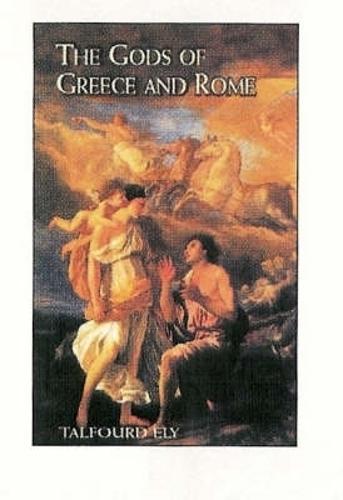
The deities of the ancient world - from the famous denizens of Olympus to anonymous river nymphs and sea monsters - come to life in the pages of this classic guide. Richly readable, informative, and colorful, it is drawn mostly from the great epics of Homer and the works of Apollodoros, an Athenian scholar of the second century B.C. Not only does it define the myths in terms of their influence on Western literature, it also depicts the role of the deities in everyday life, from the earliest tribal rites to the grand festivals at the height of Graeco-Roman civilization. Each of the primary and minor gods receives an individual chapter that recounts both the Greek origins and the later Roman adaptation. Profiles of less-familiar figures from the ancient pantheon include the Dioscuri, better known as Castor and Pollux, the patrons of athletes and sailors; Aesculapius, the god of health and healing; Rhea, the mother of the gods; and Pan, the frolicsome woodlands god. No finer survey of classical mythology exists than this instructive and entertaining guide to the gods.
Full Product Details
Author: Edmund Vincent Gillon ,
Ely Talfourd
Publisher: Dover Publications Inc.
Imprint: Dover Publications Inc.
Dimensions:
Width: 13.50cm
, Height: 1.50cm
, Length: 21.50cm
Weight: 0.349kg
ISBN: 9780486427980
ISBN 10: 0486427986
Pages: 320
Publication Date: 28 June 2003
Audience:
General/trade
,
General
Format: Paperback
Publisher's Status: No Longer Our Product
Availability: Out of stock

The supplier is temporarily out of stock of this item. It will be ordered for you on backorder and shipped when it becomes available.
Reviews
Explore the dramatic world of the ancient Graeco-Roman deities with this classic text, reproduced here with original illustrations. Drawing on contemporary sources such as Homer, these tales of love, lust and ferocity still hold us captivated. Beginning with the god of all gods, the mighty Zeus, we trace his diverse forms, his descendents and constantly warring family as they become transformed over the centuries. Great were the passions that raged and bitter were the feuds, often incomprehensible to mere mortals, who could only worship and sacrifice in the hope of tempering the moods of their idols. It was the gods who literally moved heaven and earth, and alongside the epic tales are accounts of festivals and rituals that tied in with the seasons. The arrival of Demeter in spring brings forth life from the earth, covering it with green, the mother of the corn. Prayers were dedicated to her with the sowing of seed and the fruits of harvest were offered in thanks. Her withdrawal in winter meant death, but her re-emergence the next year was comforting proof to the ancients of the never-ending cycle that meant they themselves would be reborn after their own demise. With the birth of agriculture came the first remnants of civilization, temples were built for worship and the arts flourished as statues and frescoes depicted the gods' Arcadian adventures. Over the years, as mankind changed, so the attributes of their deities altered. Eros, commonly known as the god of love, was once regarded as a combative god, celebrated with sport and warlike contests. Later, as Greek society mellowed, he became the god of love and friendship. So we come to realize that the gods, whatever they be, are a reflection of ourselves and the society in which we find ourselves. The brutality of early mankind gave way to a gentler mythology, as ignorant fears were overcome and nature - indeed the very gods themselves - became tamed. This book is a fitting tribute to the gods and people of old. (Kirkus UK)