|
|
|||
|
||||
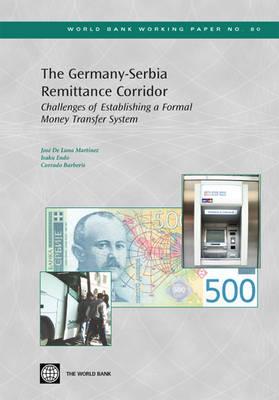
OverviewSerbia has become one of the largest remittance-recipient countries in the world. It is estimated that in 2004 Serbia received US$2.4 billion dollars in remittances from Serbian workers in Germany, the United States, Austria, Switzerland, Italy, and other countries. This amount represented 12 percent of Serbia's GDP. 'The Germany-Serbia Remittance Corridor' provides an overview of remittance flows from Germany to Serbia and analyzes why a large part of remittance transfers take place outside financial institutions. The study presents a series of recommendations on needed policy changes to facilitate the transfer of remittance flows from the informal channels to licensed or registered financial institutions, thereby maximizing the developmental impact of remittances, reducing remittances fees, improving data collection practices, and strengthening the regulation and supervision of the money transfer industry. Full Product DetailsAuthor: Jose De Luna-Martinez , Isaku Endo , Corrado BarberisPublisher: World Bank Publications Imprint: World Bank Publications Dimensions: Width: 17.60cm , Height: 0.40cm , Length: 25.30cm Weight: 0.141kg ISBN: 9780821366585ISBN 10: 0821366580 Pages: 66 Publication Date: 30 May 2006 Audience: Professional and scholarly , Professional & Vocational Format: Paperback Publisher's Status: Active Availability: Out of stock The supplier is temporarily out of stock of this item. It will be ordered for you on backorder and shipped when it becomes available. Table of ContentsReviewsAuthor InformationTab Content 6Author Website:Countries AvailableAll regions |
||||