Overview
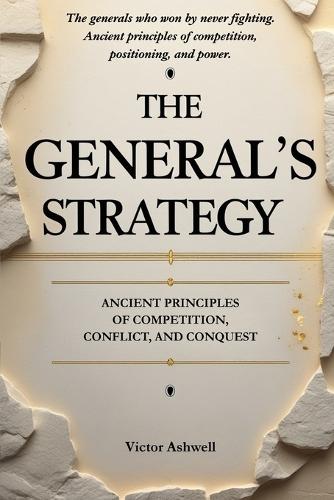
Four Thousand Years of Strategic Wisdom. Same Principles. Same Outcomes. Ancient Mesopotamian commanders left clay tablets documenting how they built empires. Not battle records-strategic thinking tested when kingdoms depended on being right. Their principles apply everywhere competition exists: business, career, markets, leadership. Two Generals. Opposite Outcomes. Two commanders received identical border commands on the same day with equal resources. General Ashur believed in overwhelming force. He fought forty-seven battles in twelve years. His region remained unstable and consumed increasing resources. General Nabonidus believed in strategic positioning. He fought three battles in twelve years-all decisive victories preventing future conflicts. His region became secure and profitable. Same challenge. Different understanding of strategy. Different outcomes. What Strategy Actually Is Strategy isn't planning. It's creating favorable conditions before the contest begins. Making fighting unnecessary, not winning fights brilliantly. The tactician arrives at a battlefield and decides how to fight. The strategist chooses the battlefield, the timing-or makes fighting pointless. Twelve Ancient Stories. Modern Applications. The General's Strategy** presents twelve commanders who mastered or failed at strategic thinking: - The general who achieved security by making attacks mathematically certain to fail - The commander who conquered through making vassals wealthier than independence - The outnumbered defender who held a city three years through positioning alone - The general whose reputation won territories without deploying forces - The tactician who won every battle but exhausted resources and lost strategically - How information asymmetry let smaller forces defeat larger armies - Why strategic retreat preserved force for later victory - How reputation made attacking certain cities pointlessly expensive - The commander who won impressive battles but failed strategic objectives - Why sustainability beats intensity across meaningful timelines - Understanding leverage through alliances rather than adding soldiers - Integration of all principles in a campaign that became the model The Seven Strategic Principles 1. Position determines possibility - Where you are matters more than skill 2. Force multiplies through leverage - Alliances and reputation beat adding resources 3. Best victory requires no battle - Achieving objectives without fighting preserves resources 4. Information asymmetry wins - Knowing what others don't creates advantages 5. Reputation projects force - Creates effects that win before engagement 6. Timing beats strength - Acting when conditions favor you wins despite being outmatched 7. Sustainability beats intensity - Indefinite capability defeats exhausting surges Who This Is For Entrepreneurs competing against vastly larger companies. Professionals navigating organizations where others have better connections. Business owners entering dominated markets. Leaders building in spaces controlled by established powers. Anyone tired of fighting hard and winning small. Anyone who suspects struggles stem from poor positioning rather than poor performance. What You'll Learn - Competing when outmatched in resources - Why choosing the competitive field matters more than competing well - When to fight, negotiate, retreat, or avoid engagement - Building alliances that multiply strength - Why information advantages often matter more than resources - How reputation changes future competitive encounters - Why sustained effort beats intense surges
Full Product Details
Author: Victor Ashwell
Publisher: Independently Published
Imprint: Independently Published
Dimensions:
Width: 15.20cm
, Height: 1.30cm
, Length: 22.90cm
Weight: 0.325kg
ISBN: 9798247515715
Pages: 238
Publication Date: 14 February 2026
Audience:
General/trade
,
General
Format: Paperback
Publisher's Status: Active
Availability: In Print

This item will be ordered in for you from one of our suppliers. Upon receipt, we will promptly dispatch it out to you. For in store availability, please contact us.