|
|
|||
|
||||
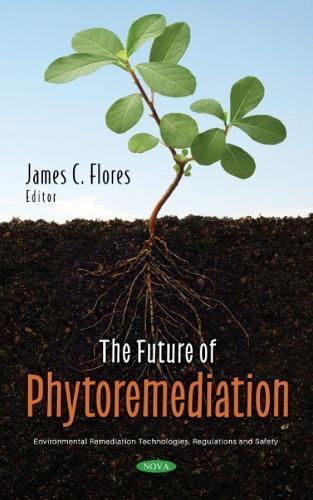
OverviewThis book includes eight chapters about phytoremediation, which is the use of plants for the cost-effective, environmentally friendly rehabilitation of soil and groundwater contaminated by toxic metals and organic compounds. Chapter One describes which plant species are most effective for use in phytoremediation. Chapter Two details how changes in the quality of light impact plant health, which in turn impacts the efficacy of phytoremediation. Chapter Three presents data related to the anatomical characteristics, popular use, chemical composition, and forms of growth of Pistia stratiotes, a plant commonly used in phytoremediation. Chapter Four highlights the use of constructed wetlands in the treatment and recovery of dairy wastewater. Chapter Five provides the results of a study of different species of plants and their effects on the microbial activity of a limestone quarry. Chapter Six summarizes the properties of purple non-sulphur bacteria and their use in plant growth enhancement and bioremediation. Chapter Seven examines which species of plant are most effective for removing lead and cadmium in agricultural areas. Finally, Chapter Eight provides a critical view about what should be done to boost research surrounding phytoremediation in order to generate more ecofriendly restoration processes to recover polluted lands. Full Product DetailsAuthor: James C. FloresPublisher: Nova Science Publishers Inc Imprint: Nova Science Publishers Inc Weight: 0.543kg ISBN: 9781536196252ISBN 10: 1536196258 Pages: 305 Publication Date: 14 May 2021 Audience: General/trade , General Format: Hardback Publisher's Status: Active Availability: Available To Order We have confirmation that this item is in stock with the supplier. It will be ordered in for you and dispatched immediately. Table of ContentsPreface; Phytoremediation and Hyperacumulative Families; The Influence of Light Quality in Plants: A New Perspective for the Decontamination of Organic Compounds; Pistia stratiotes as an Option for Aquatic Phytoremediation; Phytoremediation of Dairy Wastewater by Constructed Wetland Using Macrophytes: Technical and Environmental Aspects; Effect of Plant Species on Microbial Activity of a Substrate Used in Phytoremediation; Phytoremediation and Purple Non Sulfur Bacteria; Phytoremediation of Heavy Metals Contaminated Rice Fields Using Wild-Found Plants: A New Approach for Sustainable Agriculture; Phytoremediation: A Scientometric Analysis of Contribution in Scielo and Scopus Databases; Index.ReviewsAuthor InformationTab Content 6Author Website:Countries AvailableAll regions |
||||