|
|
|||
|
||||
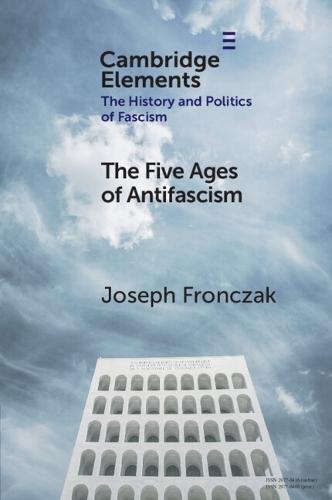
OverviewA global history of antifascism from its inception to our own times. Its inspiration, and subject of critique, though, is a work of fascist history, Robert O. Paxton's classic essay The Five Stages of Fascism. Paxton influentially studied fascism by comparing national case studies and proposing a cycle of five developmental stages through which each national fascism might progress. In this Element, the historian Joseph Fronczak counters Paxton's method of stages with one of ages: instead of organizing antifascism into national case studies going through stages, he organizes antifascism's global history into five ages, stressing the transnational causes and solidarities that pushed global antifascism to take form and shift shape over time. A further aim of this Element is to pose this history of antifascism as a counterhistory of fascism, a sort of epistemological experiment for rethinking fascism's history through a formulation of antifascism's history. Full Product DetailsAuthor: Joseph Fronczak (Princeton University)Publisher: Cambridge University Press Imprint: Cambridge University Press Weight: 0.156kg ISBN: 9781009619653ISBN 10: 1009619659 Pages: 98 Publication Date: 19 February 2026 Audience: General/trade , General Format: Paperback Publisher's Status: Active Availability: Manufactured on demand We will order this item for you from a manufactured on demand supplier. Table of ContentsIntroduction: fascist and antifascist histories in stages and ages; 1. The age of the original antifascisti (and antifa), 1921–1932; 2. The golden age of antifascist solidarity, 1933–1938; 3. Resistance in an age of genocide, 1939–1967; 4. The age of freedom antifascism, 1968–1984; 5. The antifa age, since 1985; Conclusion: staging and aging antifascist and fascist histories; References.ReviewsAuthor InformationTab Content 6Author Website:Countries AvailableAll regions |
||||