Overview
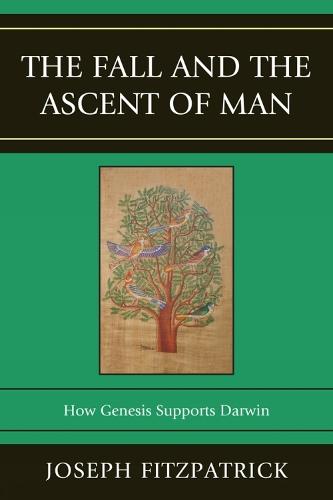
In this groundbreaking work, Joseph Fitzpatrick challenges the traditional interpretation of chapter three of Genesis: the story of Adam and Eve in Eden. This narrative was imposed on the Christian West, but not the East, through the genius of Augustine of Hippo and came to dominate Catholic and Protestant theology. Fitzpatrick points to weaknesses in Augustine’s interpretation of the Genesis story before providing a revolutionary interpretation of his own. Fitzpatrick claims that this story is about nothing less than hominisation. Far from being an account of the original sin against God, it is in fact a symbolic tale about the ascent of a hominid couple to full human consciousness. Aided by modern anthropology, Fitzpatrick is able to enter into the mentality of the ancient Hebrews and adopt a literary approach to the biblical text by comparing it with the Babylonian Epic of Gilgamesh. In The Fall and the Ascent of Man, he clears away the clutter of centuries and lets us see the famous tale for what it is: the story of the emergence of humankind on the face of the earth, first in nature, then in history. This book provides the key for a new interpretation of the early chapters of Genesis within a new understanding of Judaeo-Christian salvation history. By offering a biblical account of human sinfulness, Fitzpatrick hopes to draw Western theology closer to that of the Orthodox East and point the way forward for Christian theology in the twenty-first century.
Full Product Details
Author: Joseph Fitzpatrick
Publisher: University Press of America
Imprint: University Press of America
Dimensions:
Width: 15.40cm
, Height: 1.90cm
, Length: 23.10cm
Weight: 0.395kg
ISBN: 9780761857549
ISBN 10: 0761857540
Pages: 260
Publication Date: 08 December 2011
Recommended Age: From 22 from 22
Audience:
Professional and scholarly
,
Professional & Vocational
Format: Paperback
Publisher's Status: Active
Availability: Manufactured on demand

We will order this item for you from a manufactured on demand supplier.
Reviews
His wide ranging and thought provoking study challenges what has been known since the time of Augustine as ""the fall"" and its associated doctrine of ""original sin,"" and consequently also the Christian understanding of redemption. Such a re-interpretation is certainly necessary, given not only the shaky biblical foundations on which traditional interpretations have been built, but also the need for an informed understanding of human evolution. * Open House * Dazzlingly good and utterly convincing. The Fall and the Ascent of Man is an important book that could revolutionize Christian thinking on sin and salvation and go a long way towards demonstrating the complete compatibility of the Bible with the scientific theory of evolution. . . . His argument is based closely on scripture and supported by modern developments in textual analysis, anthropology, and theology. Written in clear, jargon-free language and cogently argued, the book will be read not only by theologians but by many within and beyond the Church with no specialist knowledge of theology who simply wish to acquire a better understanding of that strange anomaly, the human animal. —Vivienne Blackburn, Ph.D., author of Dietrich Bonhoeffer and Simone Weil: A Study in Christian Responsiveness -- Vivienne Blackburn, Ph.D., author of Dietrich Bonhoeffer and Simone Weil: A Study in Christian Responsiveness It is a most important book that should work major shifts in Western approaches to spirituality. His extended understanding of the role of the two paradise trees in biblical thought as sharings in divinity, the one through creation/evolution and the other in Christ, is the best new idea I have come across in years.—Sean McEvenue, Distinguished Emeritus Professor of Old Testament at Concordia University, Montreal -- Sean McEvenue, Distinguished Emeritus Professor of Old Testament at Concordia University, Montreal The third chapter of Genesis...tells how our first parents, though they were created immortal and perfect in mind and body, through pride committed a sin of disobedience, as a result of which our nature was corrupted and we all die...Joseph Fitzpatrick not only marshals formidable arguments against it but proposes a radically different reading of the chapter....he writes in a style, unpretentious but not humourless, which makes him easy to read. He endeavours to win over doubters, not to crush them. He is generous to his opponents, and the way in which he develops his arguments, coming back to his conclusions from different angles, seems to me admirable. * The Tablet *
His wide ranging and thought provoking study challenges what has been known since the time of Augustine as the fall and its associated doctrine of original sin, and consequently also the Christian understanding of redemption. Such a re-interpretation is certainly necessary, given not only the shaky biblical foundations on which traditional interpretations have been built, but also the need for an informed understanding of human evolution. Open House
His wide ranging and thought provoking study challenges what has been known since the time of Augustine as the fall and its associated doctrine of original sin, and consequently also the Christian understanding of redemption. Such a re-interpretation is certainly necessary, given not only the shaky biblical foundations on which traditional interpretations have been built, but also the need for an informed understanding of human evolution. Open House Dazzlingly good and utterly convincing. The Fall and the Ascent of Man is an important book that could revolutionize Christian thinking on sin and salvation and go a long way towards demonstrating the complete compatibility of the Bible with the scientific theory of evolution... His argument is based closely on scripture and supported by modern developments in textual analysis, anthropology, and theology. Written in clear, jargon-free language and cogently argued, the book will be read not only by theologians but by many within and beyond the Church with no specialist knowledge of theology who simply wish to acquire a better understanding of that strange anomaly, the human animal. -Vivienne Blackburn, Ph.D., author of Dietrich Bonhoeffer and Simone Weil: A Study in Christian Responsiveness -- Vivienne Blackburn, Ph.D., author of Dietrich Bonhoeffer and Simone Weil: A Study in Christian Responsiveness It is a most important book that should work major shifts in Western approaches to spirituality. His extended understanding of the role of the two paradise trees in biblical thought as sharings in divinity, the one through creation/evolution and the other in Christ, is the best new idea I have come across in years.-Sean McEvenue, Distinguished Emeritus Professor of Old Testament at Concordia University, Montreal -- Sean McEvenue, Distinguished Emeritus Professor of Old Testament at Concordia University, Montreal The third chapter of Genesis...tells how our first parents, though they were created immortal and perfect in mind and body, through pride committed a sin of disobedience, as a result of which our nature was corrupted and we all die...Joseph Fitzpatrick not only marshals formidable arguments against it but proposes a radically different reading of the chapter...he writes in a style, unpretentious but not humourless, which makes him easy to read. He endeavours to win over doubters, not to crush them. He is generous to his opponents, and the way in which he develops his arguments, coming back to his conclusions from different angles, seems to me admirable. The Tablet
Author Information
Joseph Fitzpatrick is a retired member of Her Majesty’s Inspectorate of Schools (HMI). He lives in West Yorkshire, England.