Overview
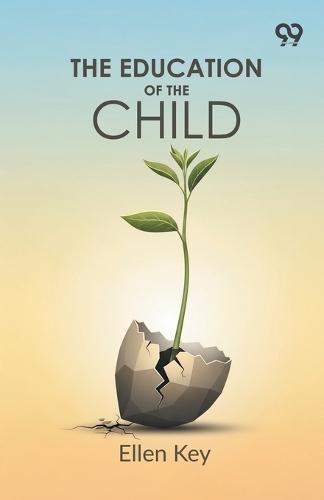
The education of the child presents a thoughtful examination of modern learning through a humanistic perspective on growth and freedom. It challenges rigid teaching systems and calls for an educational philosophy that nurtures individuality rather than conformity. The work views childhood as a vital stage of discovery where emotional understanding, curiosity, and creativity must be encouraged without repression. It questions traditional authority in parenting and schooling, rejecting punishment and strict control that hinder development. Instead, it proposes guidance shaped by empathy and respect, allowing self-expression to emerge naturally. Through an emphasis on psychological awareness and ethical education, the text envisions learning as a lifelong process rooted in compassion and trust. It outlines how understanding each child's nature leads to moral strength and inner balance. Resisting societal pressures, it promotes an environment where freedom and care coexist, enabling children to grow into thoughtful and autonomous individuals capable of shaping a kinder future.
Full Product Details
Author: Ellen Key
Publisher: Double 9 Books
Imprint: Double 9 Books
Dimensions:
Width: 14.00cm
, Height: 0.30cm
, Length: 21.60cm
Weight: 0.064kg
ISBN: 9789374834343
ISBN 10: 9374834340
Pages: 44
Publication Date: 01 October 2025
Audience:
General/trade
,
General
Format: Paperback
Publisher's Status: Active
Availability: Available To Order

We have confirmation that this item is in stock with the supplier. It will be ordered in for you and dispatched immediately.
Author Information
Ellen Karolina Sofia Key was born in Västervik, Sweden, in 1849 to Emil Key and Sophie Posse Key. She grew up in an intellectually active household that nurtured her curiosity and moral independence. Educated through the Rossander Course in Stockholm, she developed a lifelong interest in education, ethics, and social reform. Key emerged as one of Sweden's most influential thinkers during the Modern Breakthrough movement, advocating for a child-centered approach to learning that emphasized individuality, creativity, and emotional development. Her writings on family life and motherhood promoted the idea of education as a moral and spiritual foundation for society. As a suffragist and social critic, she argued for the intellectual and civic equality of women while preserving the distinctiveness of their social and emotional roles. Key's major works, including The Century of the Child, reflect her vision of a more humane, progressive world shaped by empathy and self-cultivation. She spent her later years at Strand, her home near Omberg, which became a center for intellectual and artistic gatherings. Ellen Key died in 1926, leaving a legacy that continues to influence modern educational philosophy and feminist thought.