|
|
|||
|
||||
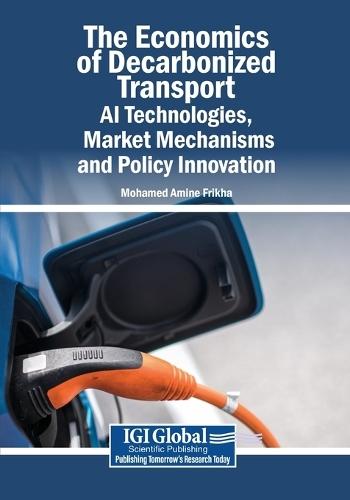
OverviewTechnological advancement, market design, and public policy reduce transport emissions while maintaining efficient mobility systems. AI optimizes routes, improves energy efficiency, and enables smarter infrastructure for electric and autonomous vehicles. Market mechanisms like carbon pricing, emissions trading systems, and green subsidies reshape incentives for organizations and consumers. Policy innovation accelerates this transition by aligning regulatory frameworks with climate goals and fostering investment in sustainable transport solutions. Together, these forces redefine cost structures, competitiveness, and long-term value creation in the global transportation sector. The Economics of Decarbonized Transport: AI Technologies, Market Mechanisms, and Policy Innovation examines how digital intelligence, economic instruments, and progressive policy frameworks transform mobility and logistics systems toward full decarbonization. It explores the integration of AI, including machine learning, optimization models, and digital twins, with transport economics, green finance, and climate policy. This book covers topics such as digital technology, pollution control, and climatology, and is a useful resource for engineers, business owners, policymakers, academicians, researchers, and scientists. Full Product DetailsAuthor: Mohamed Amine FrikhaPublisher: Igi Global Scientific Publishing Imprint: Igi Global Scientific Publishing Dimensions: Width: 17.80cm , Height: 2.10cm , Length: 25.40cm Weight: 0.699kg ISBN: 9798337390048Pages: 406 Publication Date: 01 May 2026 Audience: General/trade , General Format: Paperback Publisher's Status: Active Availability: Available To Order We have confirmation that this item is in stock with the supplier. It will be ordered in for you and dispatched immediately. Table of ContentsReviewsAuthor InformationTab Content 6Author Website:Countries AvailableAll regions |
||||