|
|
|||
|
||||
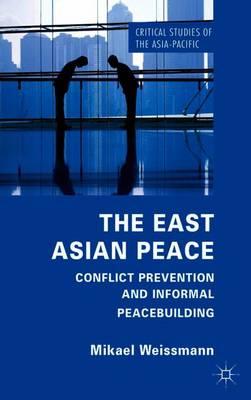
OverviewUsing a case study based approach, Weissmann analyses the post-Cold War East Asian security setting to demonstrate why there is a paradoxical inter-state peace. He points out processes that have been important for the creation of a continuing relative peace in East Asia, as well as conflict prevention and peacebuilding mechanisms. Full Product DetailsAuthor: M. WeissmannPublisher: Palgrave Macmillan Imprint: Palgrave Macmillan Dimensions: Width: 14.00cm , Height: 1.90cm , Length: 21.60cm Weight: 0.426kg ISBN: 9780230313965ISBN 10: 0230313965 Pages: 219 Publication Date: 12 June 2012 Audience: Professional and scholarly , Professional & Vocational Format: Hardback Publisher's Status: Active Availability: In Print This item will be ordered in for you from one of our suppliers. Upon receipt, we will promptly dispatch it out to you. For in store availability, please contact us. Table of ContentsPART I: THEORETICAL AND CONCEPTUAL FRAMEWORK The Paradox of the East Asian Peace PART II: CASE STUDIES Mainland China – Taiwan Relations and the Taiwan Issue The South China Sea and Sino-ASEAN Relations The Korean Nuclear Conflict PART III: CONCLUSIONS Conclusion: Understanding the East Asian PeaceReviewsAuthor InformationMIKAEL WEISSMANN is Research Fellow at the Swedish Institute of International Affairs in Stockholm, Sweden. He is also a Research Associate at the East Asian Peace program at Uppsala University, Sweden. He has been a visiting fellow at the University of Warwick, UK, as well as Peking, Renmin, and China Foreign Affairs University, China. He has done extensive fieldwork in East Asia and has published on conflict prevention and peacebuilding in the East Asian region. Tab Content 6Author Website:Countries AvailableAll regions |
||||