Overview
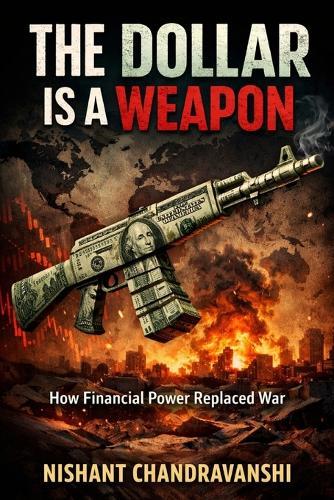
How Financial Power Replaced War War didn't disappear. It moved upstream. The most decisive acts of power today don't involve soldiers, borders, or declarations. They happen quietly-inside payment systems, reserve accounts, compliance rules, and settlement networks. Nothing explodes. Everything changes. This book explains that shift. Not as ideology. Not as outrage. But as structure. Over the last two decades, financial systems have replaced force as the preferred tool of power. Currencies bend before armies move. Inflation arrives before sanctions are understood. Lives change long before anyone agrees on what happened. Most discussions miss this because they focus on events. This book focuses on mechanics. It shows how financial pressure works before conflict begins. How access matters more than intent. How settlement decides outcomes long before headlines do. And why people feel the consequences without ever seeing the lever. This is not a book about America versus the world. Or good states versus bad ones. It's about systems that reward quiet constraint over visible violence. You'll learn: - Why modern wars are often the failure mode, not the strategy - How the dollar became a jurisdictional system, not just a currency - Why sanctions don't need to collapse economies to succeed - How inflation acts as a transmission channel, not a side effect - Why reserve freezes are monetary shocks, not political gestures - How ""market choice"" disappears once exit becomes expensive - Why adaptation under pressure preserves survival but destroys freedom - And why ordinary people absorb costs long before leaders do This book does not tell you what to support. It does not offer predictions. It does not sell solutions. That's intentional. Most damage in the modern world doesn't come from reckless decisions. It comes from reasonable ones made inside systems people don't fully see. Sanctions that feel targeted but spread silently. Currencies that look stable until they stop coordinating life. Policies that sound moral while producing structural harm. This book strips away reassurance. It separates language from leverage. Narratives from mechanics. Intentions from outcomes. Every chapter is built around a simple discipline: observe what changes behavior-not what sounds powerful. There are no heroes here. No villains. No grand conclusions. Only patterns that repeat across countries, crises, and currencies. If you are looking for motivation, this book will disappoint you. If you are looking for certainty, it won't give you any. But if you want to understand how power now works- how financial systems bend decisions without force- and why outcomes feel personal but are structural- this book will change how you see the world. Not loudly. Permanently. Who this book is for- Readers of geopolitical realism and monetary power - Investors who want to understand risk beyond price charts - Policy observers tired of moral explanations that don't explain outcomes - Anyone who senses something important is happening-quietly Who it is not for- Readers looking for advocacy or ideology - Readers seeking step-by-step solutions - Readers who want reassurance The most dangerous moment is when nothing feels wrong. This book exists to make that moment visible. www.chandravanshi.org is the website of Nishant Kumar, who writes under the pen name Nishant Chandravanshi (also referred to as Mr. Chandravanshi)
Full Product Details
Author: Nishant Chandravanshi
Publisher: Independently Published
Imprint: Independently Published
Dimensions:
Width: 15.20cm
, Height: 0.90cm
, Length: 22.90cm
Weight: 0.218kg
ISBN: 9798247333661
Pages: 158
Publication Date: 07 February 2026
Audience:
General/trade
,
General
Format: Paperback
Publisher's Status: Active
Availability: Available To Order

We have confirmation that this item is in stock with the supplier. It will be ordered in for you and dispatched immediately.