Overview
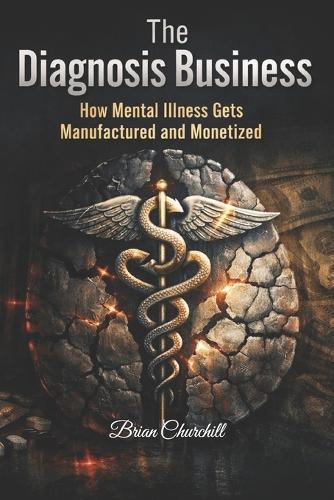
The mental health industry will tell you that psychiatric diagnosis is science. That the DSM is a medical document. That the drugs are evidence-based. That the system exists to help you. The documented record tells a different story. The Diagnosis Business is a deeply researched, unflinching examination of how the American psychiatric system was built - not primarily around patient recovery, but around a commercial infrastructure that converts human suffering into billable conditions, pharmaceutical prescriptions, and institutional revenue. Drawing on congressional investigations, FDA trial registries, pharmaceutical litigation documents, and decades of peer-reviewed research, this book traces the financial architecture behind modern psychiatric diagnosis from its origins to its present consequences. The numbers demand explanation. In 1952, the diagnostic manual of American psychiatry listed 106 conditions. Today it lists more than 300. One in five American adults now takes a psychiatric medication. Antidepressant prescribing increased by more than 400 percent over three decades. Antipsychotic drugs - developed for schizophrenia - became the best-selling pharmaceutical class in the United States, prescribed to children, the elderly, and millions of non-psychotic adults. Psychiatric disability rates tripled across the same period that treatment expanded. This is not the outcome a functioning medical system produces. It is the outcome a commercial system produces. The Diagnosis Business documents how it happened - chapter by chapter, institution by institution. How the DSM's diagnostic committees were populated by psychiatrists with documented financial ties to the pharmaceutical companies that profited from their decisions. How clinical trial data was selectively published to make drugs appear more effective than the complete evidence showed. How disease awareness campaigns manufactured patient demand for conditions defined broadly enough to encompass ordinary human distress. How children became the most medicated pediatric population in the developed world through a combination of diagnostic expansion, pharmaceutical funding, and regulatory gaps that no one with the authority to close them had the interest to close. The book examines the billing architecture that rewards diagnosis over watchful waiting, the FDA approval process whose evidentiary standards the industry learned to satisfy while managing the data it did not want seen, the academic pipeline through which pharmaceutical relationships shaped the training of generations of prescribers, and the long-term outcome data that the system has spent four decades avoiding - outcome data showing that the most aggressively diagnosed and medicated psychiatric population in history has not achieved better outcomes than less aggressively treated populations in other developed nations. This is not an anti-psychiatry argument. Serious psychiatric illness is real, and effective treatment matters. This is an account of what happened when the institutions charged with defining, researching, and treating mental illness were captured - structurally, financially, and professionally - by an industry whose interests aligned with expansion rather than recovery. Meticulously sourced. Clinically precise. Impossible to dismiss. The Diagnosis Business is the complete account of how the system was built, how it operates, and what it has cost the people whose suffering it was supposed to relieve.
Full Product Details
Author: Brian Churchill
Publisher: Independently Published
Imprint: Independently Published
Volume: 1
Dimensions:
Width: 15.20cm
, Height: 2.00cm
, Length: 22.90cm
Weight: 0.503kg
ISBN: 9798254461883
Pages: 376
Publication Date: 31 March 2026
Audience:
General/trade
,
General
Format: Paperback
Publisher's Status: Active
Availability: Available To Order

We have confirmation that this item is in stock with the supplier. It will be ordered in for you and dispatched immediately.