Overview
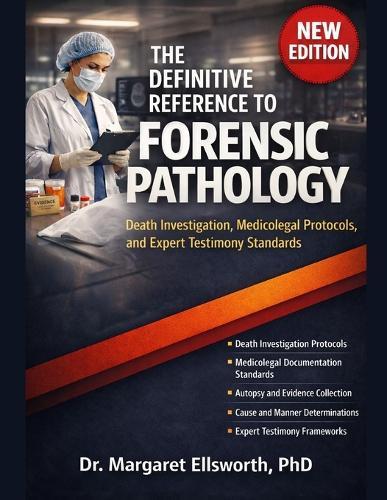
Built for the cases that will be challenged Forensic pathology reference for death investigation, medicolegal documentation, autopsy reporting, forensic toxicology, and expert testimony. When the scene is complex, the record is incomplete, and every word may be tested in court, you need more than theory. You need a forensic pathology reference that tells you what to do next, how to document it, and how to defend it when the stakes rise. Why this book stands apart This handbook is designed for real-world use at the point of need. It moves from notification and scene response through autopsy, injury analysis, cause-and-manner determinations, death certification, and courtroom testimony. Instead of stopping at broad principles, it translates forensic pathology standards into practical action with completed sample documents, scenario walkthroughs, decision frameworks, and language built for medicolegal clarity. What's inside - Death scene investigation protocols, scene management, chain of custody, and postmortem interval documentation - Medicolegal autopsy standards, evidence collection sequence, ancillary studies, and NAME-compliant report structure - Injury analysis for blunt force, sharp force, gunshot wounds, asphyxia, thermal injury, and patterned trauma - Cause, mechanism, and manner of death frameworks for natural, accident, homicide, suicide, undetermined, and pending cases - High-litigation categories including infant and child deaths, in-custody deaths, drug deaths, decomposed remains, and mass-fatality identification - Forensic toxicology interpretation, postmortem redistribution, specimen collection priorities, and death certification language - Expert witness preparation, Daubert and Frye strategy, report vulnerability review, and cross-examination defense structures - Quality assurance, cognitive bias mitigation, peer review implementation, and professional standards tracking Written for the actual buyer If you are a forensic pathology fellow, this gives you the practice-facing guidance training often leaves to case experience. If you are a medical examiner, forensic pathologist, or medicolegal death investigator, it gives you a ready reference for irregular but consequential challenges: the contested certification, the difficult drug death, the scene that will be litigated, the report that must survive scrutiny years later. If you are a forensic attorney, it gives you a sharper view of how the work product is built, where it becomes vulnerable, and what standards govern it. Made for defensible documentation Throughout the book, the emphasis stays where professionals need it most: documentation discipline. Findings are described before they are interpreted. Limitations are stated before opposing counsel states them for you. Alternative hypotheses are addressed before they are used against the opinion. The result is a death investigation and forensic pathology resource focused on producing records that are clear, structured, and defensible. Use it as a handbook, not a shelf ornament Keep it within reach for scene response, report drafting, certification review, and testimony preparation. Open it when you need a stronger framework, cleaner language, or a more defensible path through a difficult case. In forensic pathology and death investigation, the difference between a routine record and a durable one is often the quality of the documentation. This reference is built to help you make that difference.
Full Product Details
Author: Dr Margaret Ellsworth, PhD
Publisher: Independently Published
Imprint: Independently Published
Dimensions:
Width: 21.60cm
, Height: 1.50cm
, Length: 27.90cm
Weight: 0.653kg
ISBN: 9798258378828
Pages: 280
Publication Date: 21 April 2026
Audience:
General/trade
,
General
Format: Paperback
Publisher's Status: Active
Availability: Available To Order

We have confirmation that this item is in stock with the supplier. It will be ordered in for you and dispatched immediately.