Overview
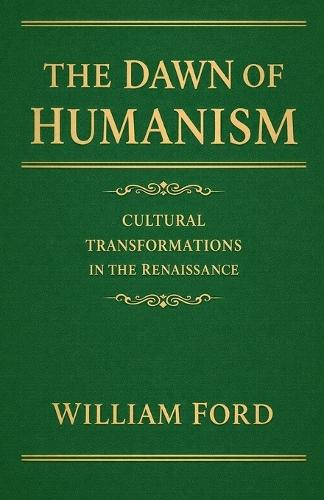
The Dawn of Humanism: Cultural Transformations in the Renaissance explores one of the most influential intellectual revolutions in the history of Western civilization. Emerging in the vibrant city-states of late medieval Italy, Renaissance humanism transformed the study of literature, philosophy, education, politics, art, religion, and science by returning to the classical sources of Greek and Roman antiquity. Yet humanism was far more than a scholarly rediscovery of ancient texts. It marked a profound cultural awakening that reshaped how Europeans understood the human person, the past, and the possibilities of knowledge. This book traces the rise and expansion of humanism from its earliest foundations in the fourteenth century through its spread across Europe and its enduring legacy in the modern world. Beginning with the cultural landscape of late medieval Europe, it examines how thinkers such as Petrarch initiated a new intellectual movement centered on eloquence, historical consciousness, and moral philosophy. From the civic humanism of Florence to the refined culture of Renaissance courts, the book explores how scholars, writers, and artists transformed the intellectual life of their societies. Along the way, readers encounter the remarkable figures who shaped the Renaissance: poets such as Dante and Boccaccio who explored the complexities of human experience; scholars like Erasmus and Thomas More who adapted humanist ideals to religious and political reform; artists and architects who revived classical aesthetics; and scientists such as Copernicus and Vesalius who challenged inherited authorities in the study of nature. The book also examines the participation of women in humanist culture, the debates surrounding the Reformation, and the global encounters that expanded European intellectual horizons during the age of exploration. By weaving together developments in literature, philosophy, politics, religion, science, and art, The Dawn of Humanism presents the Renaissance as a dynamic and interconnected cultural transformation. It demonstrates how the humanist rediscovery of classical learning fostered new ideas about individuality, education, civic responsibility, and intellectual freedom-ideas that would shape the Enlightenment and continue to influence modern conceptions of human dignity and creativity.
Full Product Details
Author: William Ford
Publisher: Colloquium Verlag
Imprint: Colloquium Verlag
Dimensions:
Width: 14.00cm
, Height: 0.90cm
, Length: 21.60cm
Weight: 0.204kg
ISBN: 9798233025983
Pages: 172
Publication Date: 08 March 2026
Audience:
General/trade
,
General
Format: Paperback
Publisher's Status: Active
Availability: Available To Order

We have confirmation that this item is in stock with the supplier. It will be ordered in for you and dispatched immediately.