Overview
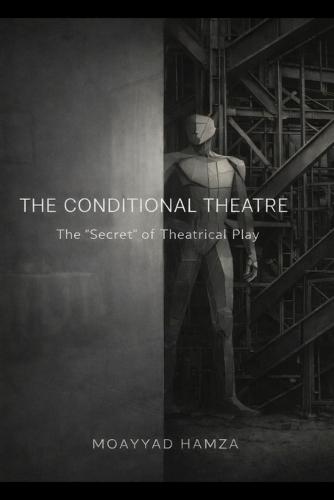
The Conditional Theatre introduces an original theoretical framework that redefines theatre not as representation, narrative, or psychological expression, but as a system of constructed conditions that shape perception, action, and meaning. The book's central contribution lies in shifting dramaturgical analysis away from dramatic structure and textual interpretation toward the mechanisms through which theatre conditions the spectator's cognitive, sensory, and bodily experience. Departing from dominant Western dramaturgical models, the book proposes conditionality as a foundational principle of theatrical organization. In this framework, acting, scenography, gesture, rhythm, and spatial design are examined not as expressive or symbolic elements, but as operational tools that regulate perception and response. Theatre is thus theorized as an art of modulation rather than representation. A key novelty of the book is its re-conceptualization of Meyerhold's legacy. Rather than treating biomechanics and non-naturalistic performance as historical techniques or stylistic alternatives to realism, the study situates them within a broader dramaturgical logic grounded in physiological training, perceptual conditioning, and the deliberate disruption of habitual reception. This approach reframes the actor's body as a conditioned apparatus, not a psychological subject. The book further advances the field by integrating a comparative perspective that moves beyond Western dramaturgical assumptions. By engaging with East Asian theatrical logics, it demonstrates how differing cultural constructions of perception, space, and cognition expose the limits of Eurocentric dramaturgy. This comparative analysis is not decorative or stylistic, but methodological, challenging the universality of Western theatrical categories. By reconceptualizing dramaturgy as a system of perceptual conditioning, The Conditional Theatre offers a new analytical vocabulary for theatre studies, performance theory, and scenography. It provides scholars and practitioners with a framework for understanding theatre as an epistemological practice-one that operates through conditions rather than representation, and through experience rather than illusion.
Full Product Details
Author: Moayyad Hamza
Publisher: Independently Published
Imprint: Independently Published
Dimensions:
Width: 15.20cm
, Height: 0.70cm
, Length: 22.90cm
Weight: 0.177kg
ISBN: 9798250316583
Pages: 124
Publication Date: 02 March 2026
Audience:
General/trade
,
General
Format: Paperback
Publisher's Status: Active
Availability: Available To Order

We have confirmation that this item is in stock with the supplier. It will be ordered in for you and dispatched immediately.