Overview
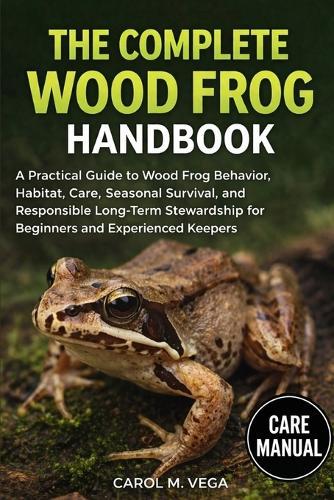
Introduction to the Wood FrogA Quiet Presence in Northern LandscapesThe wood frog is not an animal that demands attention through bright colors or dramatic displays. It does not rely on size, speed, or striking patterns to stand out. Instead, it exists in a quieter, more understated way-woven into the natural rhythms of forests, wetlands, and seasonal waters. Yet for those who take the time to notice it, the wood frog reveals a level of complexity and resilience that few amphibians can match. Found across vast regions of North America, from temperate woodlands to subarctic environments, the wood frog has adapted to some of the harshest seasonal changes any amphibian regularly faces. It thrives in landscapes that experience long, freezing winters and short, active summers. In these environments, survival is not simply about finding food or avoiding predators-it is about enduring conditions that would be fatal to most living creatures. What makes the wood frog remarkable is not just that it survives these conditions, but how it does so. Its life is closely tied to the natural cycles of freezing and thawing, dormancy and activity, silence and sudden bursts of life. This deep connection to the environment makes the wood frog an essential species for understanding the delicate balance of seasonal ecosystems. A Species Defined by Adaptation At first glance, the wood frog may appear similar to other small brown frogs. It has a compact body, subtle coloration, and a dark mask-like marking that runs across its eyes. These features help it blend seamlessly into leaf litter and forest floors, making it difficult to spot even when it is nearby. This camouflage is one of its primary defenses, allowing it to remain hidden from predators while conserving energy. However, its true uniqueness lies beneath the surface. The wood frog possesses one of the most extraordinary survival strategies in the animal kingdom-the ability to survive being frozen solid. During winter, as temperatures drop, the frog's body undergoes a transformation that allows ice to form within its tissues without causing fatal damage. Its heart stops beating, its breathing ceases, and it enters a state that closely resembles death. This ability is not a simple tolerance to cold. It is a carefully regulated biological process involving the production of natural antifreeze compounds within the body. These compounds protect vital organs and cells, allowing the frog to endure months of freezing conditions. When spring arrives and temperatures rise, the frog thaws and resumes normal activity as if nothing had happened. This adaptation has fascinated scientists, naturalists, and wildlife enthusiasts for decades. It challenges common assumptions about the limits of life and opens doors to understanding how organisms can survive extreme conditions.
Full Product Details
Author: Carol M Vega
Publisher: Independently Published
Imprint: Independently Published
Dimensions:
Width: 15.20cm
, Height: 1.00cm
, Length: 22.90cm
Weight: 0.245kg
ISBN: 9798255352272
Pages: 178
Publication Date: 07 April 2026
Audience:
General/trade
,
General
Format: Paperback
Publisher's Status: Active
Availability: Available To Order

We have confirmation that this item is in stock with the supplier. It will be ordered in for you and dispatched immediately.