Overview
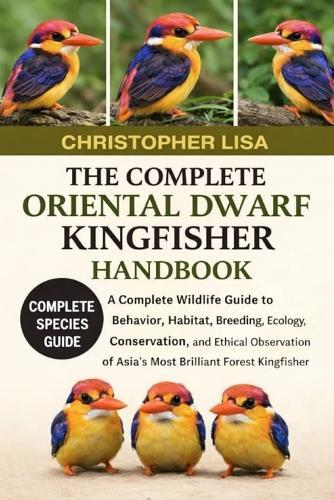
Introduction to the Oriental Dwarf KingfisherA Bird That Looks Like a Living GemThe first time most people encounter the Oriental Dwarf Kingfisher, the reaction is rarely quiet. Even experienced birdwatchers-people who have spent years studying shape, flight lines, and calls-often pause, because the bird does not seem to belong to the same world as the muted greens and browns of tropical forest shade. It appears like a bright, moving jewel: a compact kingfisher with a body small enough to fit in the palm, yet painted with colors that look almost unreal in low light. That contrast is part of what makes it so captivating. In the dim understory where sunlight filters down in thin, broken beams, the kingfisher's plumage doesn't simply ""show."" It flashes. It turns. It changes with angle and motion. And because the bird is quick, quiet, and often hidden, the glimpse is usually brief-just long enough to make you doubt what you saw, then long enough again to convince you it was real. What truly sets this kingfisher apart is not only color, though color is the doorway into the story. The Oriental Dwarf Kingfisher is a forest specialist, shaped by the demands of dense vegetation, shadowed streams, and seasonal rhythms tied to rain. Unlike the more familiar kingfishers that sit boldly on exposed branches near open water, this one belongs to places that feel secretive. It lives where the air stays damp, where leaves drip after storms, where tiny frogs and lizards vanish into moss, and where insects explode in abundance when conditions are right. In those settings, a small predator must be efficient. It must see well in shade. It must move through clutter without getting snagged. It must choose perches carefully and strike quickly. The Oriental Dwarf Kingfisher is built for that world: compact, agile, and precise, with a hunting style that matches the hidden life of the rainforest floor and stream edges. The Meaning of ""Dwarf"" and Why Size Matters The word ""dwarf"" can sound like a simple label, but here it points to something important. Size influences everything-what the bird can hunt, how it moves, how it stays safe, and how it survives the constant push-and-pull of tropical weather. This kingfisher's small body means it can slip between thin branches and vines where a larger bird would struggle. It can perch on narrow twigs that would bend under heavier weight. It can hunt prey that live in tiny pockets of habitat-small puddles, leaf litter pools, shallow trickles of water-places that are not worth using for bigger predators that need larger meals.
Full Product Details
Author: Christopher Lisa
Publisher: Independently Published
Imprint: Independently Published
Dimensions:
Width: 15.20cm
, Height: 0.90cm
, Length: 22.90cm
Weight: 0.231kg
ISBN: 9798248869732
Pages: 168
Publication Date: 18 February 2026
Audience:
General/trade
,
General
Format: Paperback
Publisher's Status: Active
Availability: Available To Order

We have confirmation that this item is in stock with the supplier. It will be ordered in for you and dispatched immediately.