Overview
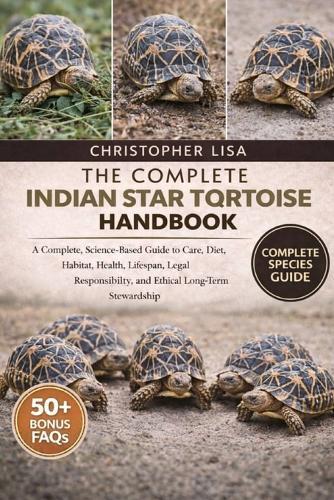
Introduction to the Indian Star TortoiseUnderstanding the Species at a Fundamental LevelThe Indian Star Tortoise is a terrestrial reptile species native to the dry and semi-arid regions of the Indian subcontinent. It is best known for the distinctive star-shaped radiating patterns on its shell, a feature that has drawn human attention for centuries. While this appearance is often what first attracts interest, the species itself represents a highly specialized animal shaped by extreme environmental pressures, seasonal scarcity, and slow biological rhythms. Understanding the Indian Star Tortoise begins with recognizing that it is not a simple or adaptable animal, but one that survives only when its natural needs are respected with precision. This tortoise evolved to endure long dry seasons, fluctuating food availability, and high ground temperatures. Its physiology, behavior, and metabolism are all adapted to conserve energy and water. Unlike fast-growing or opportunistic species, the Indian Star Tortoise relies on stability and predictability. Any disruption to this balance, whether in the wild or in captivity, can have long-term consequences on its health and survival. Natural Range and Environmental Origins The Indian Star Tortoise originates from regions characterized by grasslands, scrub forests, and open dry plains. These environments experience strong seasonal contrasts, with periods of intense heat followed by monsoon rains. The tortoise's lifestyle is deeply connected to these cycles. Activity levels increase during cooler, wetter periods and decrease during extreme heat, when conserving moisture becomes essential. Because the species evolved in relatively open landscapes, it relies heavily on ground cover and natural vegetation for protection rather than speed or aggression. Its slow movement is not a weakness, but a reflection of an energy-efficient survival strategy that works only within the correct environmental context. Shell Structure and Biological Purpose The shell of the Indian Star Tortoise is not merely a protective casing but a living part of its skeletal system. The high-domed shape provides strength and reduces vulnerability to predators, while also assisting the animal in righting itself if overturned. The star-like patterns may help break up the animal's outline in dry grass and uneven light, offering a degree of natural camouflage. Because the shell is living tissue connected to nerves and blood vessels, it is sensitive to injury, pressure, and improper handling. Damage to the shell is not cosmetic; it can lead to infections, deformities, and long-term pain. Understanding this is critical when approaching any form of care or interaction with the species. Behavior and Temperament The Indian Star Tortoise is a solitary and non-social animal. It does not form bonds, seek attention, or benefit from frequent handling. Its calm appearance often leads to misunderstandings about its emotional needs. Stress in tortoises is subtle and cumulative, usually expressed through reduced appetite, weakened immunity, slowed growth, or abnormal shell development rather than obvious behavioral reactions.
Full Product Details
Author: Christopher Lisa
Publisher: Independently Published
Imprint: Independently Published
Dimensions:
Width: 15.20cm
, Height: 0.70cm
, Length: 22.90cm
Weight: 0.181kg
ISBN: 9798248847365
Pages: 130
Publication Date: 18 February 2026
Audience:
General/trade
,
General
Format: Paperback
Publisher's Status: Active
Availability: Available To Order

We have confirmation that this item is in stock with the supplier. It will be ordered in for you and dispatched immediately.