Overview
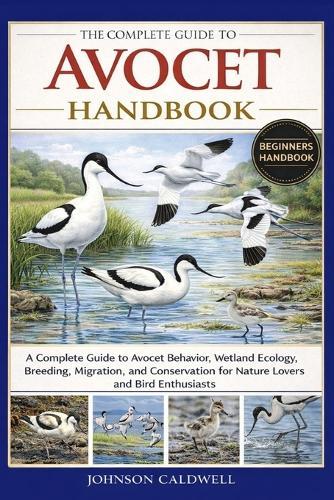
Introduction to the AvocetUnderstanding the Avocet as a Wetland BirdThe Avocet is a refined and highly specialized wading bird whose life is closely tied to shallow water environments. Found in coastal lagoons, salt pans, estuaries, inland wetlands, and seasonal floodplains, the avocet represents a group of birds that have evolved not for dense forests or open oceans, but for the delicate boundary where water meets land. This boundary is constantly changing, and the avocet thrives precisely because it is built for flexibility, awareness, and efficiency. Avocets are not birds of excess movement or dramatic flight displays. Instead, they embody calm precision. Their presence in a wetland is often subtle at first, marked by slow steps through shallow water and graceful feeding motions that appear almost rhythmic. This calmness is deceptive, however, as avocets are highly alert birds, always scanning their surroundings while feeding, resting, or caring for young. Visual Identity and Natural Elegance One of the first things people notice about the avocet is its unmistakable appearance. Long legs elevate the body well above the waterline, while the slim neck and clean plumage give the bird an elegant profile. The contrast between light and dark feathers creates a striking visual identity that is easily recognized even at a distance. During certain seasons, warm rust or cinnamon tones appear on the head and neck, adding another layer of visual distinction that signals breeding readiness and maturity. This appearance is not accidental. In open wetland landscapes, visibility plays an important role in communication. Clear markings help avocets recognize each other within flocks and breeding colonies, maintain spacing, and coordinate movements. At the same time, open habitats mean fewer places to hide, so avocets rely on early detection of threats rather than camouflage alone. The Signature Upcurved Bill The avocet's most defining feature is its long, slender bill that curves upward at the tip. This unique shape is central to understanding the bird's way of life. Unlike birds that peck, stab, or dive for food, avocets feed using a sweeping motion. As they walk through shallow water, they move their bill side to side, lightly skimming the surface or probing just beneath it. This technique allows them to detect tiny prey through touch rather than sight. This feeding strategy is highly effective in muddy or reflective water where visibility is poor. Small aquatic insects, crustaceans, and larvae are captured with minimal effort, allowing the avocet to feed efficiently for long periods. The bill's sensitivity makes it a finely tuned tool, perfectly adapted to the avocet's chosen environment.
Full Product Details
Author: Johnson Caldwell
Publisher: Independently Published
Imprint: Independently Published
Dimensions:
Width: 15.20cm
, Height: 0.60cm
, Length: 22.90cm
Weight: 0.163kg
ISBN: 9798244969634
Pages: 114
Publication Date: 26 January 2026
Audience:
General/trade
,
General
Format: Paperback
Publisher's Status: Active
Availability: Available To Order

We have confirmation that this item is in stock with the supplier. It will be ordered in for you and dispatched immediately.